As modern vehicles evolve and become more integrated with technology, manufacturers are constantly innovating to enhance the driving experience. One of the newer advancements in automotive technology is the introduction of spatial audio systems, specifically those that feature directional headrest speakers. These systems are designed to offer a more personalized and safer driving experience by embedding acoustic speakers near the driver’s ears. This innovation allows drivers to receive crucial audio information without disturbing other passengers.
Directional headrest speakers aim to tackle a common challenge in shared driving environments: how to deliver personalized audio streams to the driver without altering the entertainment preferences of other passengers in the vehicle. In many vehicles, navigation prompts or phone calls can throw off the vibe of a playlist being enjoyed by everyone else. Such interruptions might seem minor, but they can contribute to a less enjoyable journey for all occupants.
To counteract this, automotive engineers have invested in spatial audio technology that can project sound directly towards the driver, creating a private audio zone. This means navigation instructions, phone conversations, and alerts can be directed only to the driver’s ears. As a result, important updates can be conveyed to the driver seamlessly, without the need to pause the music or disrupt the conversation occurring between passengers.
The design of these directional headrest speakers is both clever and discrete. They are usually embedded behind or within the headrest itself, which allows them to be positioned in close proximity to the driver’s ears. This proximity ensures that the audio delivered is clear and concise, minimizing any potential for external noise interference. Such an arrangement also leaves the main speakers free for general in-car audio, allowing other passengers to continue listening to their chosen entertainment, whether it be music or a podcast, without any competing sounds.
A critical benefit of this system is enhanced safety. With audio cues directed right to the driver, distractions from ambient vehicle noise can be significantly reduced. For instance, if a navigation system is solely audible to the driver, they can receive timely turn-by-turn directions without taking their eyes off the road. At the same time, since other passengers are not bombarded with navigation instructions, the overall stress levels within the car can be minimized, making for a more relaxed travel environment.
This selective audio capability can extend beyond just navigation. Hands-free phone calls can take place in privacy without concern for eavesdropping or chatter that might be less suitable for all ears. This approach ensures that personal conversations remain just that—personal—enhancing the driver's comfort and confidence while participating in phone calls on the go.
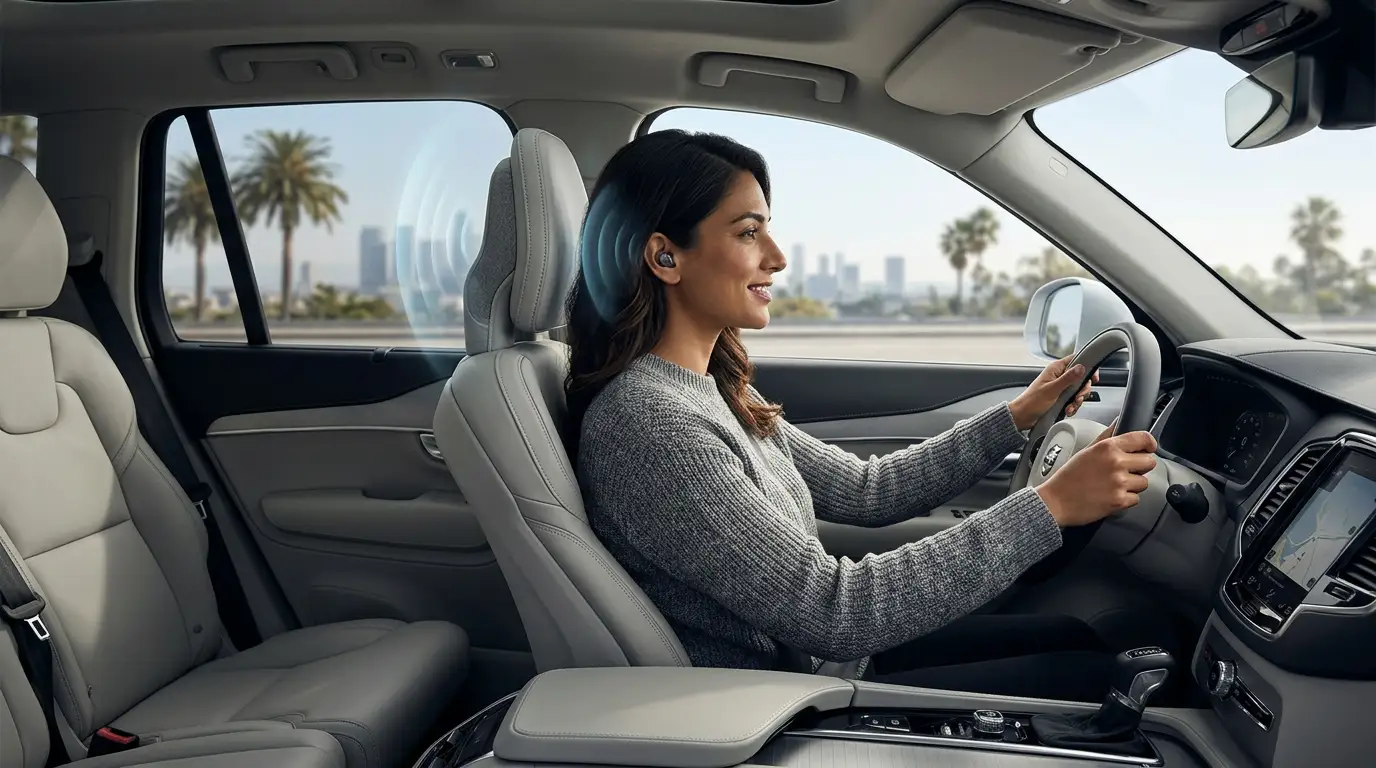
Advancements in audio technology have made it possible to develop these directional sound zones using providers' expertise in sound calibration. This meticulous engineering process allows the speakers to precisely deliver audio while minimizing leakage that could be distracting to other passengers. The crafting of sound waves ensures a directional clarity that adapts dynamically to various driving scenarios, further enhancing the overall driving experience.
Integration of such technology also leverages digital signal processing. This advanced technology processes sound to isolate specific audio streams designated for the driver's zone. By dissecting audio inputs, the system determines which sounds should be relayed to the headrest speakers and which should be channeled through the broader vehicle audio system for sharing among all passengers. This level of specificity caters to varied needs, whether you're the driver requiring information or the passengers enjoying uninterrupted entertainment.
Additional benefits of these spatial audio cabins include fostering a peaceful environment within the car cabin. Passengers aren’t subjected to audio streams that are irrelevant to them. Whether it’s listening to directions, reminders, or taking phone calls, the driver’s experience is tailored and does not intrude upon other activities. This selective audio environment helps maintain a conducive space for all occupants to enjoy their journey, contributing to an overall positive mood within the vehicle.
The development and integration of personal audio zones also affirm the continuous trend of making driving more intuitive and personalized. Vehicles are adapting to become smarter, more user-centric, ensuring that both driver and passengers have their needs met with minimal compromise.
In conclusion, the advancement of directional headrest speakers is a significant step forward in personalizing the driving experience. These specially designed audio systems address the challenge of delivering targeted information and communication exclusively to the driver. By doing so, they improve safety, enhance privacy, and elevate the comfort levels of all passengers in the vehicle. As automotive technology continues to advance, we can expect these systems to become even more refined and widely adopted, setting new expectations for what it means to have a personalized driving experience.