As consumer technology continues to evolve at a rapid pace, one particular trend capturing the excitement of tech enthusiasts and homeowners alike is the resurgence of the "wallpaper TV." These ultra-thin displays are redefining how we think about televisions in our living spaces, turning once-bulky equipment into sleek, unobtrusive showcases that blend seamlessly with decor. Understanding the engineering and aesthetics behind these innovative designs reveals much about the future of home entertainment.
At the core of wallpaper TV technology is the concept of minimalism — not just in appearance, but also in structure and functionality. The term "wallpaper TV" originates from the display's ability to sit flush against the wall, much like an art piece or a decorative paper. This is made possible by advancements in display technology that have dramatically reduced the thickness of television screens from inches to mere millimeters.
The engineering marvel behind these ultra-thin models involves the use of OLED (Organic Light Emitting Diode) technology. Unlike traditional LED TVs which require a backlight, OLED pixels emit their own light. This not only allows for much thinner profiles but also results in deeper blacks and more vibrant colors since each pixel can be turned off completely. The absence of a need for a separate lighting element has made it feasible to design displays that are so thin they can be mounted directly onto a wall using magnetic pads or specially designed adhesives.
Moreover, wallpaper TVs utilize flexible OLED panels. These panels are not only incredibly thin but also lightweight and bendable, making them easy to transport and install. The flexibility of these displays provides a broader scope for creative installations and mounts. Instead of bulky stands or protruding brackets, these displays can be set flush against walls, presenting a clean, unobtrusive look.
When it comes to setting up a wallpaper TV, there are a few considerations to ensure that the experience is as seamless as the design suggests. One common aspect is dealing with the management of power cables and media lines. To maintain the fluidity of the design, manufacturers often separate the main power unit and circuitry from the screen. This means the gadgets are part of an external "box" that connects to the display itself using a singular thin, transparent cable.
To effectively hide this box and any accompanying cables, consider mounting them within the wall or placing them in a recessed shelving unit below the screen. This involves routing cables through the existing infrastructure of your walls, which might require some initial setup investment but results in an uncluttered appearance that fully showcases the screen’s thin profile.
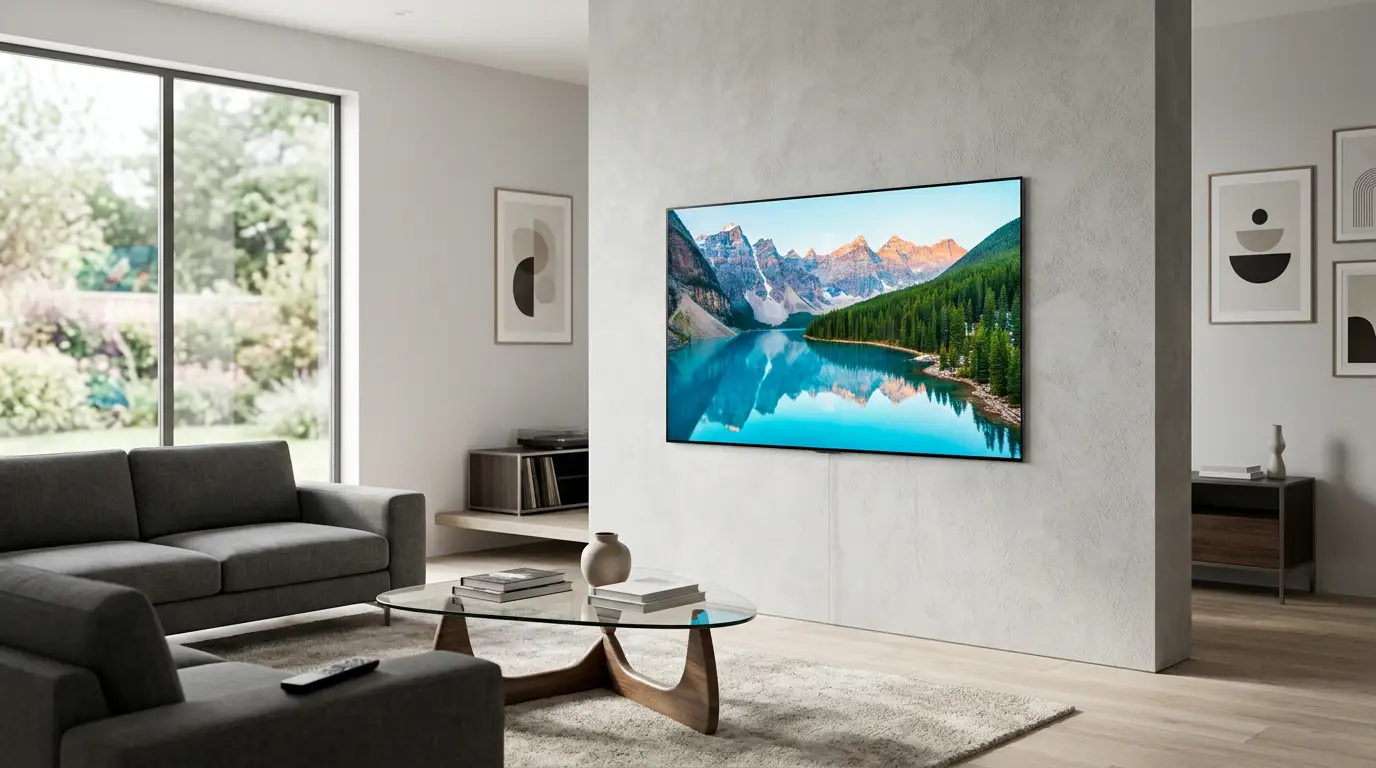
Another tip is to utilize cable management systems that help organize the cords, keeping them hidden from view. Channels designed to run cables through walls or along baseboards are practical solutions. These effectively hide wires without extensive remodeling. Using a combination of in-wall power kits and media boxes can provide all the necessary connectivity without any visible distractions.
Furthermore, for those concerned with maintaining the aesthetic flow of their living rooms, embedding the power box into a piece of furniture or utilizing a smart cabinet design is advisable. This not only keeps equipment hidden but can add to the room’s ambiance if designed coherently with other furniture.
Many manufacturers now also offer smart connectivity features that allow for wireless streaming to minimize cord requirements. Using built-in Bluetooth, Wi-Fi, and other wireless technologies minimizes the need for physical media inputs directly into the TV, thereby reducing cable clutter.
Finally, in dealing with potential wall surface complications, it is beneficial to prepare the wall surface to guarantee that it is smooth and sturdy enough to accommodate the light but expansive display. Wall panels can support the TV even in non-conventional surfaces or uneven textures to give a flush mount.
The return of the wallpaper TV marks an evolution in how consumers can integrate technology into their living spaces, marrying functionality with a modern aesthetic appeal. By understanding its engineering, whether through the flexibility of OLED displays or efficient space-saving methods, homeowners can embrace this technology in ways that are not only transformative but also stylish.
The wallpaper TV is undeniably a captivating blend of art and technology, promising an entirely new visual experience while maintaining harmony with our living environments. This transformation from a typical screen-and-stand setup into a fully integrated flat art-like display opens up exciting possibilities for the future of television viewing, as epitomes of modern design and state-of-the-art innovation.