As we forge ahead into the future, technology continues to permeate every aspect of our daily lives, with the concept of smart homes gaining significant traction. By 2026, smart home technology is anticipated to become even more integral, transforming how we interact with our living spaces. This article aims to explore the educational aspects of smart home trends projected for 2026, focusing on consumer adoption patterns and preferences to better understand what technologies are likely to be embraced or neglected.
To begin with, the fundamental appeal of smart home technology lies in its promise to enhance convenience, improve energy efficiency, bolster security, and add a layer of sophistication to modern living. As consumers become more technologically savvy, the demand for intuitive and interconnected devices is expected to increase. In 2026, it's likely that consumers will prioritize smart home devices that effectively integrate these elements seamlessly into their routines.
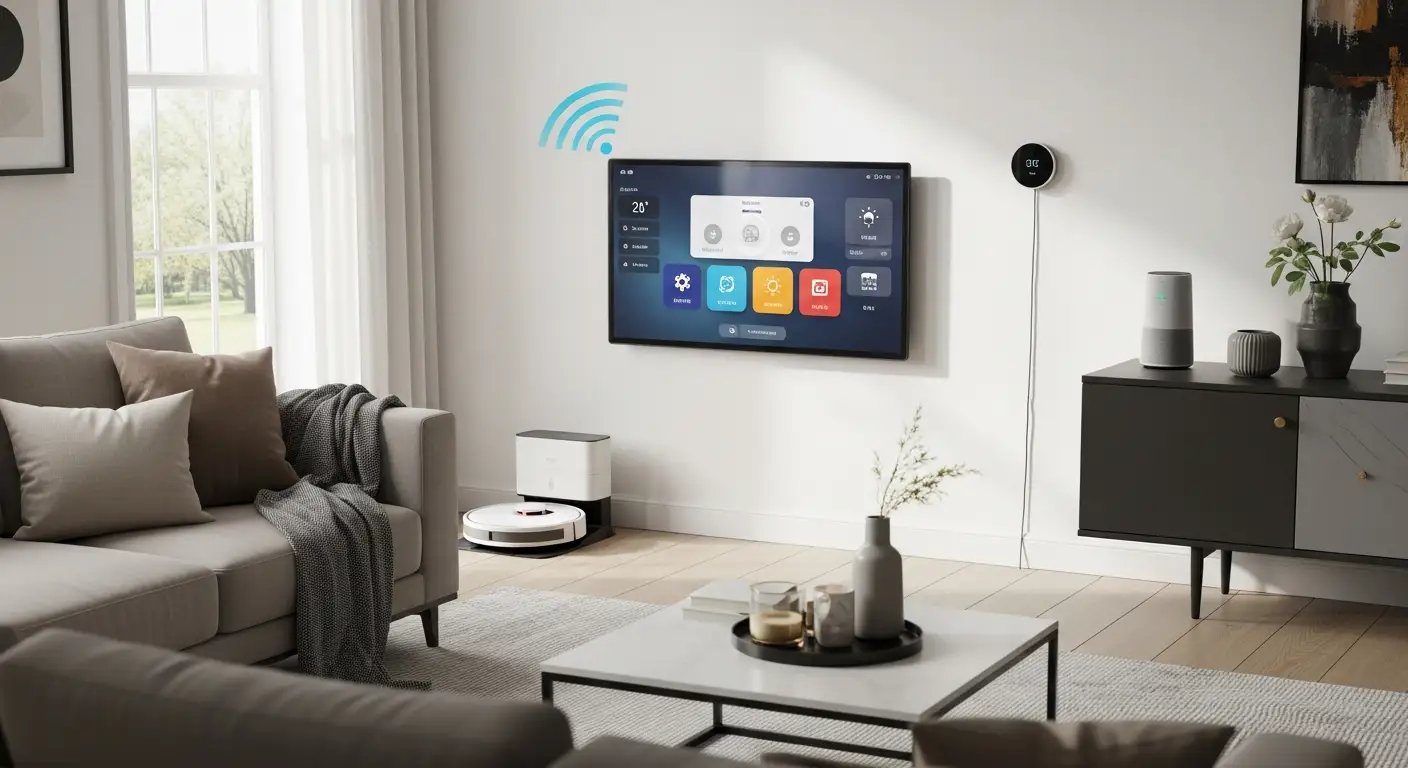
A prominent trend that has been gaining momentum is the adoption of voice-activated virtual assistants. By 2026, these devices are expected to become more sophisticated, with improved understanding of diverse languages, accents, and colloquialisms. Voice assistants are projected to be central to the smart home ecosystem, acting as the control hub for various devices. This increased functionality might appeal to consumers who value hands-free control, making such devices an attractive addition to their homes.
In terms of energy management, smart thermostats have shown significant promise and are likely to continue to grow in popularity. These devices offer not only convenience but also the potential for substantial energy savings, aligning with growing consumer awareness of environmental sustainability. By 2026, advancements in machine learning could enable smart thermostats to further optimize energy usage, learning from household habits to provide personalized energy conservation solutions that align with each family’s unique needs.
Another significant trend in smart home technology is the growing prevalence of smart security systems. As urbanization continues and concerns about safety rise, more consumers may invest in advanced security solutions. By 2026, smart security systems could include AI-enhanced facial recognition technology, real-time alerts, and remote monitoring capabilities, thus appealing to consumers seeking peace of mind and better control over home security without invasive measures.
Contrasting with these trends, some smart home technologies may not capture the attention of the average consumer. One area that may see slower adoption is smart kitchen appliances. Though these technologies promise a futuristic cooking experience, they often come with high costs and lack universal compatibility. By 2026, unless these devices present a clear advantage over traditional appliances in terms of ease, efficiency, or cost-effectiveness, their adoption may be limited to tech enthusiasts rather than the broader market.
Similarly, smart mirrors, despite their appeal, might not find widespread adoption among consumers by 2026. While they offer unique features such as personalized daily updates or virtual makeovers, the practical utility of such devices may not justify their high price point for many consumers, who might prioritize other smart home features over this form of luxury.
Furthermore, as we look towards 2026, one of the most critical factors influencing consumer adoption will be the level of interoperability between devices. Fragmented systems and compatibility issues have been an ongoing challenge for consumers who desire an integrated smart home experience. For broader adoption, there may need to be a concerted effort among manufacturers and designers to develop platforms that ensure seamless interoperability, eliminating the need for multiple apps or devices that don’t communicate with each other.
Privacy and data security are additional factors that are likely to influence consumer adoption patterns. As homes become more connected, the amount of personal data generated by smart devices raises concerns about potential breaches or misuse. By 2026, consumers may increasingly demand robust security features and transparent data policies that protect their information, impacting which smart home technologies they opt to incorporate into their living environments.
Educating consumers about the benefits, limitations, and potential risks of smart home technology will likely play a vital role in influencing adoption trends. Companies that invest in educational outreach and provide clear, user-friendly information and tutorials may have a competitive edge, empowering consumers to make informed decisions about which technologies best suit their lifestyles.
In conclusion, by 2026, smart home technology is poised for notable changes and innovations. As consumers weigh the benefits against the drawbacks, adoption trends will likely be influenced by practical utility, cost considerations, security, data privacy, and ease of integration. For the market to capture a broader audience, manufacturers and technology developers may focus on these key areas. As we continue to observe and study these trends, staying informed about technological advancements will be essential for consumers, developers, and industry stakeholders alike.