In recent years, the evolution of smart home technology has seen a noticeable shift in design trends, merging the realms of advanced functionality with aesthetically pleasing forms. At the nexus of design and technology, a new era has emerged—one where the sophistication of cutting-edge gadgets no longer clashes with interior design. This movement is referred to as ambient technology, where smart devices are crafted to integrate harmoniously into the home environment, rather than standing out as foreign objects.
Traditional smart devices often featured gleaming metallic frames and shiny surfaces, reminiscent of futuristic sci-fi tools. While these designs served their function, they tended to disrupt the natural flow and beauty of a home’s interior. As user preferences evolved, so did the desire for gadgets that blend into everyday life without compromising their advanced capabilities. This has given rise to a generation of devices that are as much about form as they are about function.
Take, for instance, the modern smart speaker. The first iterations of these devices were often characterized by their prominent, techy appearance, drawing immediate attention as soon as one entered the room. In contrast, today's hidden speakers reveal a thoughtful design approach—emphasizing subtlety and seamless integration. These speakers are now often encased in fabrics or muted colors that complement home decor, sometimes even doubling as stylish furniture pieces or art installations. Through clever engineering, these gadgets can deliver remarkable sound quality without needing to be the focal point of a room’s design.
Canvas-backed smart screens have also become a major player in the ambient tech revolution. Early smart displays were purely functional, encased in shiny plastics or metal borders. However, newer models are disguised as pieces of art, equipped with customizable frames and screens that mimic the texture and appearance of traditional canvases. This allows them to transform into aesthetically pleasing home decor elements, cycling through digital art or family photos when not in active use. These screens maintain all the interactive capabilities expected of a smart device, while effortlessly blending into the visual narrative of the home.
The choice to forgo metallic and industrial aesthetics in favor of more organic, softer appearances isn't just a stylistic shift; it's reflective of a deeper understanding of consumer needs. People increasingly value their personal spaces as sanctuaries—places of retreat and comfort, where technology needs to complement rather than dominate. The ethos of ambient tech contributes to creating spaces that nurture and calm by integrating technology that feels almost invisible.
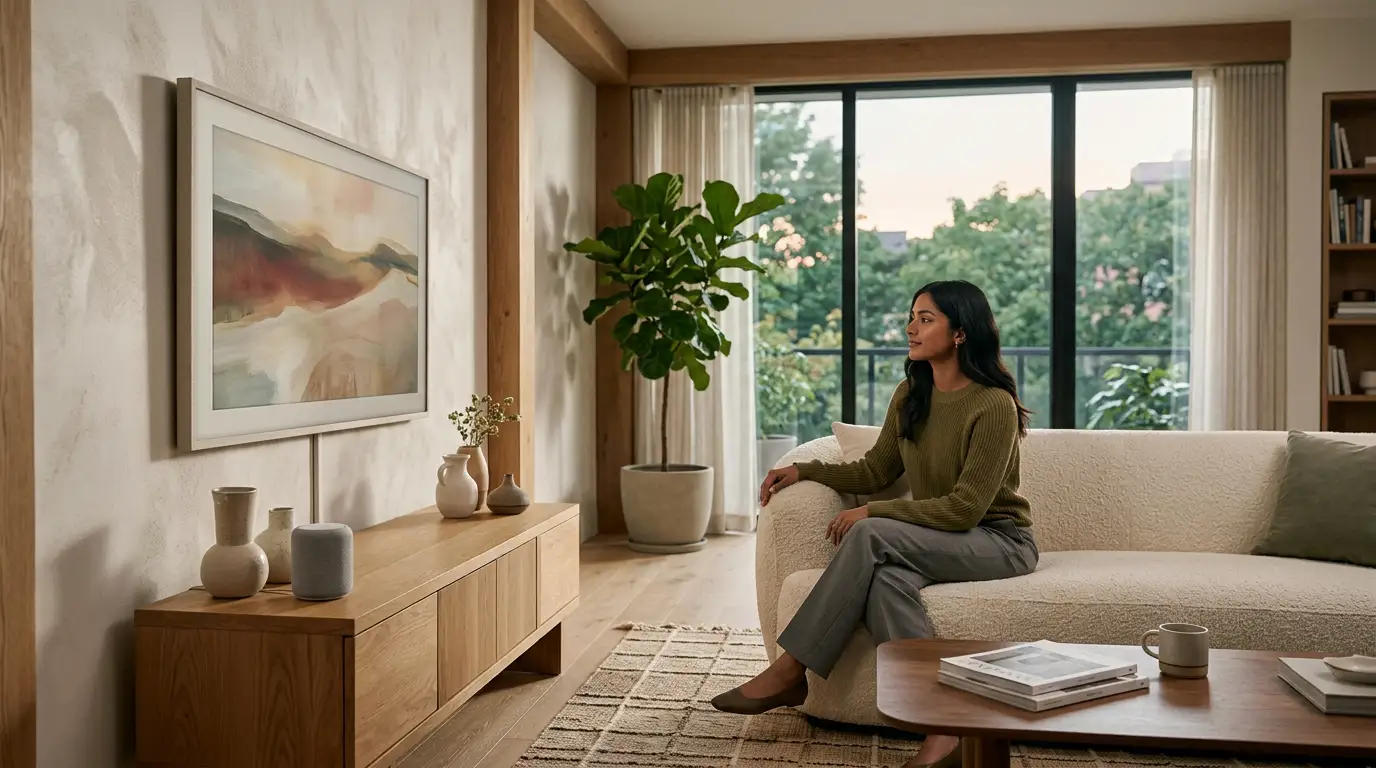
Furthermore, the focus on ambient technology aligns with broader design movements that emphasize minimalism and authenticity. As homes reflect an individual's taste and personality, having technology that enhances rather than distracts from this personal expression is imperative. Devices that hide in plain sight or transform to suit different functions allow homeowners to maintain a curated, cohesive aesthetic while reaping the benefits of the latest technological advancements.
Moreover, these design-focused innovations place a high value on the tactile experience, recognizing that our interaction with technology is not only visual but also physical. Quality materials like woven fabrics, wood finishes, or custom textiles offer a tactile sense of warmth and invitation that cold metals and plastics could not. This encourages a user experience that is not just about pressing buttons or swiping screens, but also about feeling connected to the devices in our environments.
As we continue to embrace this paradigm shift in smart home technology, the future promises even more advancements in ambient tech. Developers are continually exploring ways to further integrate advanced technologies into products that serve dual purposes, whether they be smart mirrors, intelligent lighting systems that react to our presence, or adaptable furniture that houses the technology within.
To make these choices in our smart home devices, it's essential to prioritize brands and products that value craftsmanship and subtlety. It's also important to recognize that the true measure of good design in ambient tech is not how effectively it demands attention, but rather how quietly it fits into the background, enhancing the life around it without detracting from it.
In conclusion, the journey towards selecting smart home devices that eschew the traditional gadget appearance is both an exciting and fulfilling adventure. By embracing ambient tech, we are not only keeping pace with technological advances but doing so in a manner that allows our personal spaces to remain as unique reflections of ourselves. The art of ambient tech offers a pathway to creating homes that are not only smart but also beautiful, inviting, and deeply personal.