Biometric authentication has become an integral part of our daily lives, merging seamlessly with technology to ensure secure and efficient identification processes. Initially, the term 'biometrics' primarily conjured images of fingerprints, an early and widespread form of biometric authentication. However, as technology has progressed, so has the scope of biometric systems, expanding to include sophisticated methods like voice recognition and even behavioral pattern analysis. This evolution reflects the drive towards not only enhancing security but also providing a more seamless and user-friendly authentication experience.
The journey of biometric authentication began with fingerprints, a method rooted in ancient methods of human identification yet profoundly effective even in today’s technologically driven world. In the late 19th century, fingerprints were scientifically recognized as unique identifiers for individuals. This uniqueness led to their adoption into law enforcement for criminal identification purposes. As digital technology progressed in the 20th century, this analog method evolved into digital fingerprint scanners, now commonly found in consumer electronics like smartphones and laptops. Originally, fingerprint authentication was mainly security-focused, but its proliferation into the consumer market highlighted its versatility, ease of use, and reliability.
As the limitations of fingerprint recognition became apparent, particularly as systems encountered environments and conditions affecting scanner accuracy, interest in alternative forms of biometric verification grew. One such development was the introduction of facial recognition technology, which analyzes facial features to establish identity. Facial recognition leverages advanced algorithms that process images to map individual facial structures and cross-checks these against a database for identification. Its application spans various sectors, from airport security to unlocking mobile devices, offering a blend of convenience and heightened security.
Beyond these physical biometric identifiers, voice recognition emerged as an innovative alternative. By analyzing vocal characteristics rather than what is being said, voice recognition software identifies unique patterns in pitch, tone, and cadence, rendering it a robust authentication tool. This form of authentication is particularly appealing in the context of remote interactions, where voice commands are becoming increasingly prevalent. Companies have capitalized on this technology to enhance customer service systems and smart home devices, where security and ease of access are paramount.
When it comes to non-physiological biometrics, behavioral patterns are a cutting-edge frontier. Behavioral biometric authentication shifts the focus from static physical attributes to dynamic patterns such as typing rhythms, mouse movements, and even navigation habits. This method works on the premise that individuals interact with devices in distinct manners that, over time, can be recognized and authenticated. Behavioral biometrics is particularly advantageous in continuous authentication scenarios, monitoring user interactions in real-time to detect anomalies that may indicate security threats.
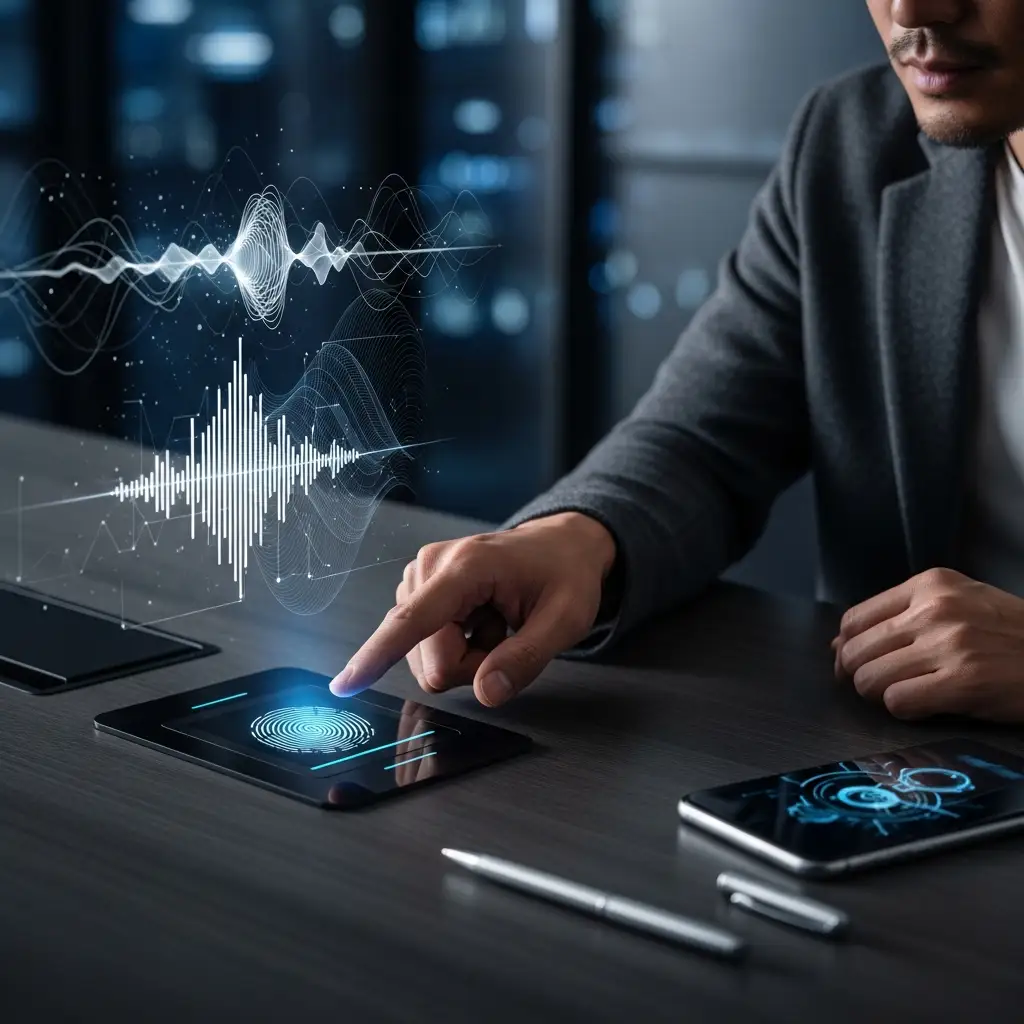
The rapid evolution of biometric authentication technologies has been driven by advances in machine learning and artificial intelligence, which have significantly enhanced the accuracy and efficiency of biometric systems. These technologies allow for more sophisticated algorithms that can process vast amounts of data, learn from it, and adapt to new scenarios. This progression has been critical in addressing some of the challenges associated with biometrics, such as environmental influences, changes in physical appearance, and sensor inaccuracies.
The integration of multimodal biometric systems, which combine multiple biometric methods for authentication, is another noteworthy development. By using a combination of, for example, fingerprint, facial, and voice recognition, these systems aim to overcome the limitations inherent in using a single authentication method. Multimodal systems improve accuracy and security by providing layers of verification, thereby reducing the likelihood of unauthorized access due to an error in one mode.
Despite the impressive strides in biometric technology, concerns related to privacy and data security continue to loom large. The collection, storage, and use of biometric data raise critical questions about consent, protection, and potential misuse. As databases of biometric information grow, so too does the risk of this data being compromised. Governments and regulatory bodies worldwide are increasingly emphasizing the need to develop comprehensive frameworks to govern biometric information processing, ensuring that robust safeguards are in place to protect individual privacy.
The broader social implications of biometric authentication cannot be ignored. The potential for surveillance and the balance between public safety and individual privacy is an ongoing debate. Biometric data could enable unprecedented levels of tracking and personal data collection, raising ethical concerns about how this information might be used. The implementation of biometric systems in public and private sectors must be carefully considered, and transparent policies should be established to maintain public trust.
In conclusion, the evolution of biometric authentication from fingerprints to voice and behavioral patterns illustrates the dynamic nature of this field. Each advancement offers its own unique set of capabilities and challenges, driving a continuous search for improvements. As technology continues to develop, the focus will likely remain on enhancing the security, accuracy, and user experience of biometric systems while balancing these developments with ethical considerations. Understanding the intricacies and implications of biometric authentication is crucial, as it increasingly becomes a cornerstone of modern technological security frameworks.