In the digital age, the flow of information across the globe is instantaneous and virtually boundless, bringing with it both opportunities and challenges. One critical aspect that has emerged in this vast sea of information is digital provenance, the practice of tracing and verifying the origins of online content. As more of our personal, professional, and political lives transition into digital realms, understanding digital provenance is increasingly important. This article aims to explore the nuances of digital provenance, its significance, and how it can be navigated in today’s information landscape.
Digital provenance refers to the process of identifying the original source and verifying the integrity of digital content. This includes understanding who created the content, when and where it was created, and how it has evolved over time. With the rapid proliferation of digital media, distinguishing authentic content from manipulated or false narratives has become both challenging and essential.
One of the main reasons digital provenance matters more now than ever is the rise of misinformation and disinformation. These terms are often used interchangeably but have distinct meanings. Misinformation refers to false or inaccurate information spread regardless of intent to deceive. Disinformation, on the other hand, is the deliberate spread of false information with the intent to mislead or deceive. Both phenomena can have profound impacts on public opinion, policymaking, and democratic processes. By accurately tracing the origins of content, digital provenance helps combat misinformation and disinformation, allowing individuals and organizations to make informed decisions based on verifiable facts.
Another significant aspect of digital provenance is its role in intellectual property rights and copyright protection. In the creative industries, such as music, film, arts, and publishing, ensuring that works are properly attributed to their original creators is crucial. Digital provenance tools can help determine the authenticity of digital content, protecting creators’ rights and preventing unlawful distribution or use. This ensures that creators are adequately recognized and compensated for their work and contributes to a fair digital ecosystem.
Moreover, digital provenance is crucial in the context of digital forensics and cybersecurity. As cyber-attacks and data breaches become more sophisticated, understanding the provenance of digital files can aid in identifying and mitigating vulnerabilities. By analyzing the origin and modifications of digital content, cybersecurity professionals can better assess threats and enhance security protocols. Provenance tracking can provide vital information about unauthorized access or tampering, allowing for faster and more effective responses to cyber incidents.
In the realm of scientific research, digital provenance also plays a critical role. With the increasing reliance on digital data and online collaboration, the ability to reproduce research findings is more important than ever. By ensuring that data is accurately traced back to its original source, researchers can verify the integrity of data sets and experimental results, facilitating transparency and accountability in scientific processes.
To achieve effective digital provenance, a combination of technologies and strategies come into play. Blockchain technology, for instance, is an emerging tool in this field, offering a decentralized and transparent way to track data transactions and changes over time. Its immutable ledger can authenticate the history of digital content, ensuring that what is registered on the blockchain remains unaltered. This feature makes it an invaluable asset in establishing trust and transparency in digital transactions.
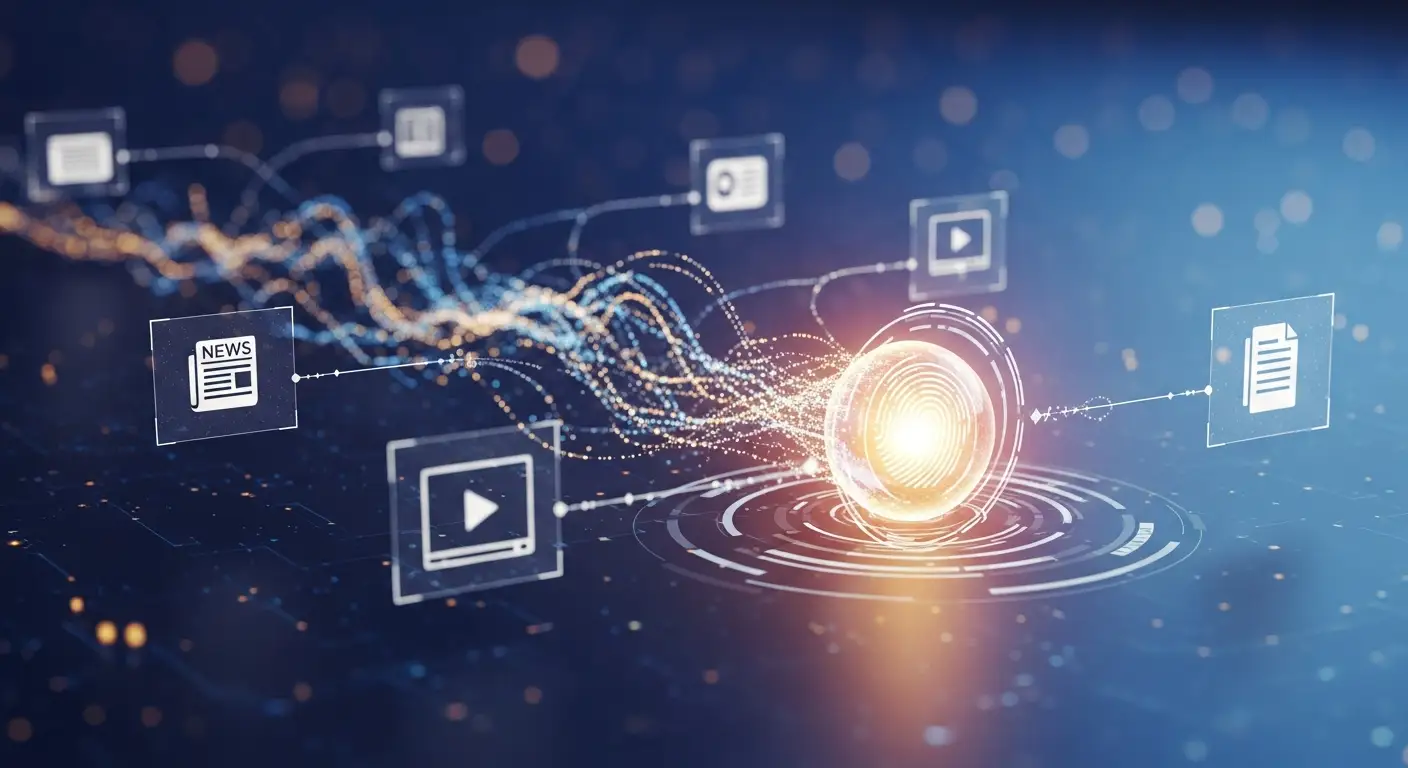
Metadata, often described as data about data, also plays a pivotal role in digital provenance. Metadata can include information about the creation date, author, and any edits or changes made to a digital file. By analyzing metadata, it becomes possible to ascertain a file’s history and authenticity. However, metadata can be altered or erased, so relying solely on metadata without additional verification mechanisms needs caution.
Another essential technology in digital provenance is digital watermarking. This technique embeds information directly into the content, whether it be an image, video, or document, without altering the visible elements. Watermarks can, therefore, serve as a hidden signature, providing details about ownership and creation. The ability of digital watermarks to survive editing and format changes makes them a robust tool for provenance verification.
Despite the potential benefits of digital provenance tools, challenges remain in their implementation. One challenge is the lack of standardized protocols across different platforms and technologies. Without universal standards, verifying digital provenance across diverse systems can become fragmented and inconsistent. Developing interoperability standards and fostering collaboration between stakeholders, including tech companies, governmental agencies, and academic institutions, is essential for widespread adoption.
Privacy concerns also pose a significant challenge to digital provenance. While provenance tools help ensure content integrity and traceability, they must also respect individuals’ privacy rights. Striking a balance between transparency and confidentiality is crucial, and provenance systems should be designed to allow individuals to control how much personal information is shared and stored.
As we continue to advance into a more digital world, education about digital literacy and critical thinking becomes paramount. Educating individuals, from young students to adults, about the significance of digital provenance and how to verify the origin of content will empower them with the tools to navigate the information landscape more effectively. By fostering an informed and discerning public, we can collectively combat misinformation, protect digital rights, and ensure a fairer digital environment.
In conclusion, digital provenance is a cornerstone of trust and accountability in our increasingly interconnected digital society. Whether combating misinformation, protecting intellectual property, ensuring cybersecurity, or advancing scientific research, understanding the origins and authenticity of digital content is indispensable. While challenges remain, the development and adoption of digital provenance technologies will be vital in safeguarding the integrity of online content now and in the future. As we look forward, embracing digital provenance as part of our digital literacy toolkit will help us navigate the complexities of an ever-changing digital landscape with confidence and assurance.