Blue light has become a buzzword in discussions about sleep and technology, largely due to the increasing prevalence of digital screens in our daily lives. Smartphones, computers, and LED lighting all emit blue light, a type of visible light that is often singled out for its potential to disrupt sleep. This article aims to explore the scientific evidence regarding the effects of blue light on sleep and distinguish between verified findings and marketing exaggerations.
To start, it is important to understand what blue light is. Blue light is part of the visible light spectrum, which means it's visible to the human eye. It has a short wavelength, about 450–495 nanometers, which translates into higher energy levels. This type of light is naturally emitted by the sun and plays a significant role in regulating our wakefulness and mood throughout the day. Exposure to blue light during daylight hours helps maintain alertness and boosts cognitive function. However, concerns about blue light typically focus on artificial sources, especially those from electronic screens and LED lighting.
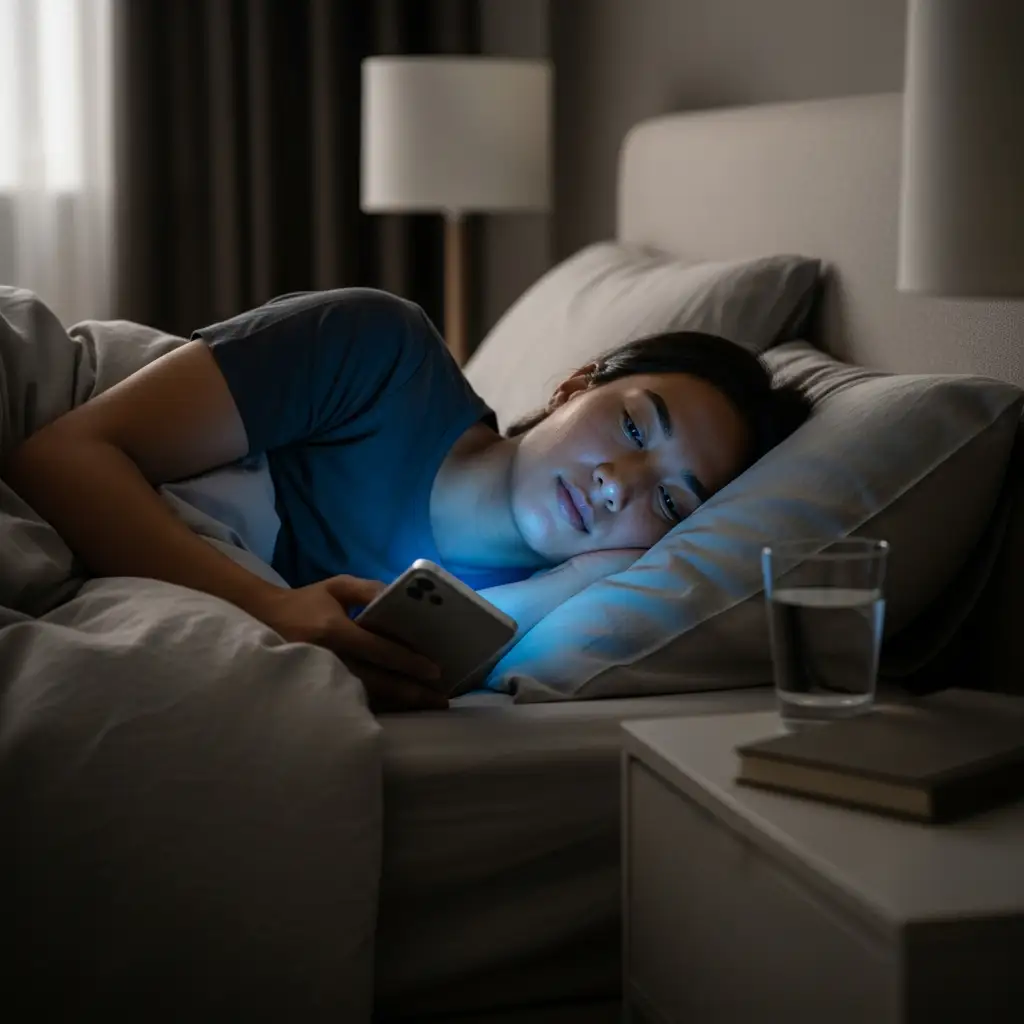
The primary concern with blue light and sleep revolves around its effects on melatonin production. Melatonin is a hormone produced by the pineal gland that signals to the body that it’s time to wind down and prepare for sleep. Its production is closely tied to light exposure; it increases in darkness and decreases with light, particularly blue light. This suppression of melatonin can lead to difficulty in falling asleep, as well as impacting the quality of sleep.
There have been multiple studies examining the impact of blue light exposure on melatonin suppression and sleep. Research has indicated that exposure to blue light for extended periods, especially in the evening, can reduce melatonin production, leading to decreased sleep quality and increased sleep onset latency—the time it takes to fall asleep. A study published in the Journal of Clinical Endocrinology & Metabolism found that exposure to room light during the night often suppressed melatonin by about 85 percent compared to dim light conditions.
Despite these findings, it should be noted that the impact can vary greatly depending on the duration and timing of blue light exposure, as well as individual susceptibility. Factors like age, genetics, and other lifestyle factors can modify how blue light affects each person. Moreover, it’s not just blue light that's responsible for sleep disruption; the intensity and duration of light, in general, can also play a significant role.
With growing awareness of blue light's potential impact on sleep, many companies have marketed products such as blue light-blocking glasses and screen filters. These products claim to minimize blue light exposure, thereby improving sleep quality. While some research suggests that such interventions can reduce blue light exposure to some extent, their effectiveness in significantly altering sleep patterns remains debatable. A study by the University of Houston found that people wearing blue-blocking lenses experienced about a 58 percent increase in their nighttime melatonin levels. However, the study had limitations in its sample size and duration, suggesting more research is needed before drawing definitive conclusions.
In addition to products, many electronic devices now offer "night mode" settings that reduce blue light emission. These features typically alter the screen's display color to warmer hues during evening hours. Though these settings may alleviate some blue light exposure, the overall suppression of melatonin may still occur depending on the screen's use and light intensity.
It is also important to consider the broader context of sleep hygiene practices when evaluating sleep quality. Factors such as maintaining a regular sleep schedule, creating a comfortable sleep environment, and managing stress levels can all play essential roles in sleep quality, alongside managing light exposure. Overemphasis on blue light alone might detract from these critical components of good sleep hygiene.
In concluding this discussion, it is clear that there is scientific evidence supporting the notion that blue light affects melatonin production and, consequently, sleep. However, the influence of blue light should not be considered in isolation. The subject of sleep is complex and encompasses various other factors, from light exposure to lifestyle choices. As consumer awareness grows, so does the marketing of products purported to combat blue light's effects, warranting a healthy dose of skepticism when assessing their claims.
Continued research is necessary to deepen our understanding of blue light's impact on sleep, especially as technology becomes increasingly entrenched in daily life. In the meantime, adopting balanced habits when it comes to screen use—alongside broader sleep hygiene practices—may offer the best strategy for mitigating sleep disturbances associated with blue light exposure.