In today's fast-paced, health-conscious world, maintaining physical fitness is often a high priority for individuals of all ages. While high-intensity workouts and rigorous weightlifting might be all the rage, they aren't suitable for everyone due to the strain they can place on the body, particularly the joints. This is where low-impact exercises come into play, offering a gentle yet effective alternative to more strenuous physical activity. By emphasizing exercises like swimming, cycling, or Pilates, individuals can enjoy the benefits of improved muscle strength and overall fitness while minimizing stress on their joints.
Low-impact exercises are characterized by their gentle movements, which help reduce the risk of injury and joint wear. They are especially beneficial for individuals who are older, recovering from an injury, or new to fitness and looking to ease into an active lifestyle without the pressure high-impact exercises could entail. By incorporating low-impact workouts into a regular routine, it’s possible to improve cardiovascular health, build muscle strength, and maintain flexibility, all while being kind to your joints.
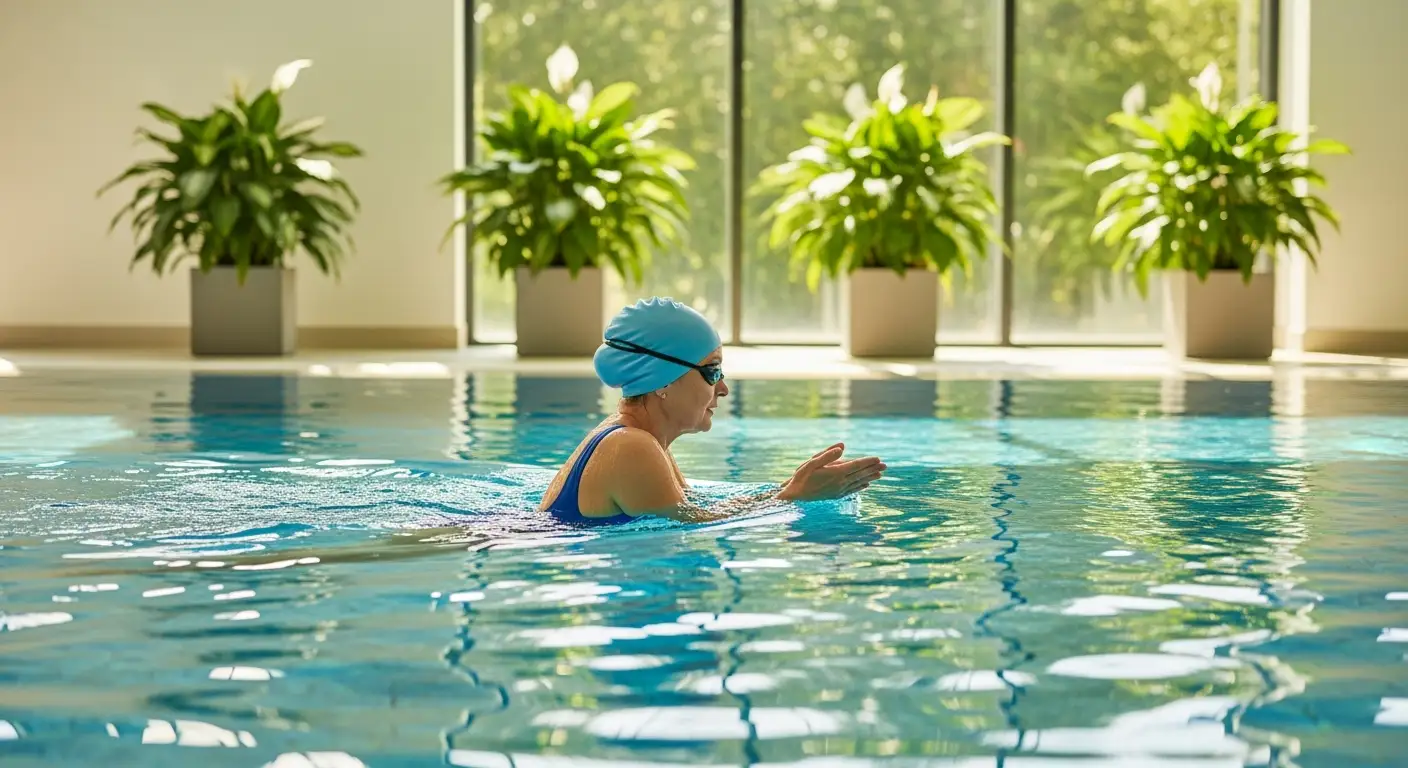
Swimming is one of the most popular low-impact exercises because the buoyancy of the water supports the body, reducing the weight on the joints. This exercise offers a full-body workout that enhances cardio fitness, builds strength, and improves flexibility without placing stress on bones and joints. Additionally, swimming can be customized to different intensity levels depending on one's fitness goals and abilities. Whether it's leisurely laps or competitive swimming, this activity is not only an excellent form of exercise but also provides a refreshing break from traditional land-based workouts.
Cycling is another excellent low-impact activity, whether enjoyed on a stationary bike indoors or outdoors through scenic routes. Cycling targets the lower body, particularly the quadriceps, hamstrings, and calves, while also engaging the core and, to some extent, the upper body. It improves cardiovascular health, builds leg strength, and enhances balance and coordination. With adjustable resistance and speed, cycling can cater to different individual fitness levels and goals, making it a versatile exercise option for many. Moreover, it can be a great social activity, perfect for group outings or cycling clubs, adding a community aspect to fitness.
Pilates, a low-impact exercise developed to improve flexibility, build strength, and develop control and endurance, especially in the core. It focuses heavily on alignment, breathing, and developing a strong core, while also improving coordination and balance. Suitable for individuals of all ages and levels of fitness, Pilates is renowned for its ability to enhance muscular endurance and strength without creating muscle bulk. It is particularly beneficial for those looking to improve their posture and develop a foundation of strength centered around body control.
For those looking for variety, there are numerous other low-impact exercises to explore. Yoga, for example, offers a holistic approach to fitness, combining physical postures with breath control and meditation to enhance both physical and mental well-being. Tai Chi, a form of martial arts practiced for both defense and health benefits, emphasizes slow, controlled movements, promoting balance, coordination, and stress reduction.
Low-impact exercises have the added advantage of being easily adaptable to suit individual fitness levels and can often be modified to increase or decrease intensity based on personal preferences and abilities. This makes them accessible for nearly everyone, regardless of age or physical condition, allowing individuals to remain active throughout their lives.
For individuals recovering from injuries or suffering from chronic conditions such as arthritis, engaging in low-impact exercise can be particularly advantageous. These exercises can help maintain a level of fitness, improve joint function, and aid in the healing process, all while ensuring the body does not experience undue stress. Moreover, for older adults, these exercises can play a crucial role in maintaining mobility, independence, and quality of life as they age.
Incorporating low-impact exercises into a regular fitness routine doesn’t just benefit the body; it also boosts mental health. Physical activity is linked to improved mood and reduced anxiety and depression, owing to the release of endorphins, often termed the body's 'feel-good' hormones. Engaging in low-impact exercise can thus lead to a more positive mood and increased energy levels throughout the day.
Before starting any new exercise regimen, it’s wise to consult with a healthcare provider, especially for those with pre-existing health concerns or injuries. They can help tailor an exercise program that fits individual health needs and fitness goals. Additionally, starting gradually and paying attention to the body’s signals of fatigue or pain can prevent overexertion or potential injury.
In conclusion, incorporating low-impact exercise into your routine can offer a multitude of benefits, from enhanced muscle strength and cardiovascular health to improved flexibility and mental well-being. By making these exercises part of your regular schedule, you can enjoy the benefits of physical activity at any stage of life while protecting your joints, promoting recovery, and encouraging a lifetime of healthy habits. Whatever your fitness level or goals, there's a low-impact exercise out there for you, waiting to be discovered and enjoyed.