In today's digital age, consumers are increasingly finding themselves ensnared in subscription traps without even realizing it. These traps often come disguised in seemingly innocuous free trials or discounted offers, designed to transition into regular, often pricey, subscriptions. For many, it becomes a cycle of unwitting charges and relentless attempts to unsubscribe. This guide aims to empower you with the knowledge and tools to spot and escape these hidden subscription traps, so you can maintain control over your finances.
One of the first lines of defense against deceptive subscription trials is understanding the layout of sign-up pages. These pages often employ clever designs to obscure the terms and conditions of the trial. They may use small fonts or colors that blend into the background, making it easy to gloss over critical details. To protect yourself, approach every sign-up page with a healthy dose of skepticism. Take the time to thoroughly read through all the text, particularly the fine print. Look for any mention of future charges, the duration of the trial period, and how to opt-out.
Furthermore, be wary of pre-checked boxes that automatically enroll you in future billing. Some websites utilize these as part of their design to capture consumers unaware. Always ensure that you unchecked boxes related to automatic enrollment if you do not wish to continue the service post-trial. Taking a few extra minutes to absorb and understand the sign-up page can save you from a long cycle of unwanted charges.
Another savvy strategy is the use of temporary burner cards. A burner card is a disposable virtual credit card number that can be used for online purchases. These cards provide a layer of protection by giving you a unique number different from your actual card details. Once the trial period is over, and if you have no intention of continuing the service, you simply deactivate the burner card, rendering subsequent charges invalid.
This method restricts the merchant's ability to track your real credit card, preventing them from unauthorized transactions. It's a smart way to test out services without committing your actual payment information. Many financial institutions and third-party apps now offer burner card services; it might be worth looking into them as a protective measure for online transactions.
In the unfortunate event that you find yourself stuck in a subscription cycle despite your best efforts, clean and assertive communication with the service provider becomes crucial. Generally, customer service teams can be reached via email, phone, or live chat. When contacting them, be specific about your request to cancel and demand a refund for unauthorized charges. Including details such as account numbers, initial sign-up dates, and copies of any correspondence will support your case.
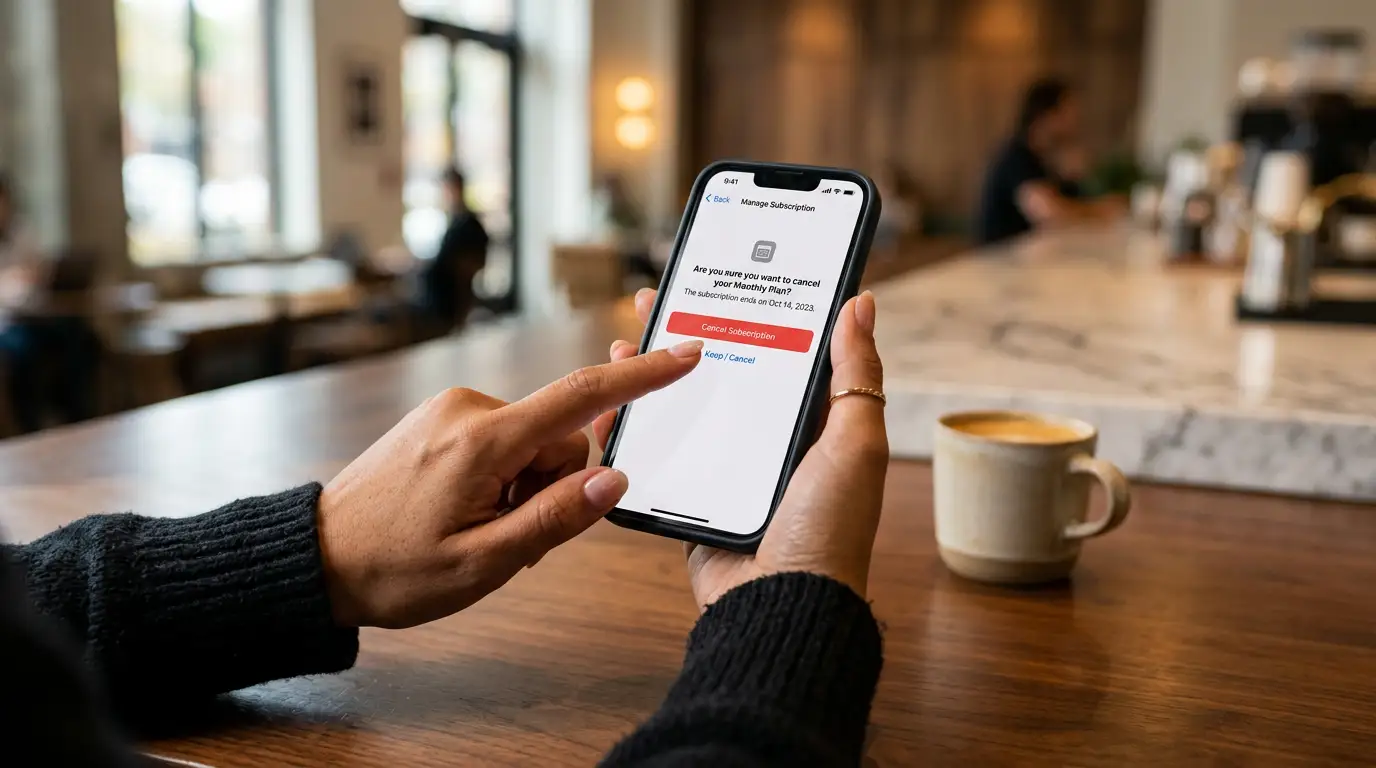
Adopt a tone that is firm but polite. State that you were under the impression that a trial was free, and reiterate any unnoticed terms which might've misled you. Clearly demand a refund for charges incurred after cancellation requests were ignored. Remember that keeping your communication documented is invaluable. If customer service is unresponsive, you have evidence to escalate the issue to higher authorities.
Knowing how to craft a compelling communication template can be immensely helpful. Start with a formal greeting, introduce yourself, and briefly explain the situation. Emphasize that you dispute any charges beyond the trial period, referencing specific clauses in the agreements you may have misinterpreted as misleading. End your template with a request for confirmation of subscription cancellation and a refund, stating your expectations for a resolution timeframe.
For those who wish to be more prepared, practice crafting general communication templates in advance that can be quickly tailored for different subscriptions. This proactive approach means you have handy tools when an unexpected subscription charge appears, enabling you to respond quickly and effectively.
Understanding your legal consumer rights is another layer of defense. Many jurisdictions have laws requiring transparency surrounding subscription services, including clear instructions on how to cancel and receive a refund. Familiarize yourself with your country's laws on consumer rights or seek advice from consumer protection agencies. Legal knowledge can fortify your position when disputing unwanted charges and may be applicable in cases where you need to report deceptive practices.
Some countries also offer consumer protection hotlines or portals for reporting fraudulent activities. When all else fails, and a company refuses to comply with cancellation requests, these agencies may intervene, potentially alerting other consumers to avoid the service as well.
Living with the onslaught of digital services doesn't have to mean endless subscription cycles eating into your budget. Through keen attention to detail, savvy use of technology, strong communication skills, and a robust understanding of your consumer rights, you can preserve your financial freedom. Remember, each step towards control is a step away from being trapped in the subscription loop.