Imagine walking through the aisles of a grocery store with a handful of small, colored envelopes, each neatly labeled with names like "groceries," "entertainment," and "savings." This classic method of budgeting, known as the envelope method, rewarded many with a sense of control over their finances by making spending tangible. Yet, in today's digital world, actual cash and physical envelopes are increasingly rare to see. So, how do we adapt this tried-and-true budgeting strategy for a world filled with digital dollars and online banking? Enter the world of digital envelope budgeting!
The envelope method's genius is in its simplicity—it helps people to visualize their spending by separating finances into different categories. Originally, cash was allocated into envelopes, each representing a specific spending category. Once the money in an envelope was gone, spending in that category had to stop. While handling cash might have been normative then, the convenience of plastic cards and digital banking has largely replaced it. Some might even argue that cash feels like a relic of the past! But don't worry, the essence of the envelope strategy is alive and well, thanks to digital tools.
In our cashless society, a wide array of free apps mimic the envelope budgeting system. The first step is to choose a digital app that maintains the spirit of portioning out money into distinct categories. Apps such as Goodbudget, Mvelopes, and others allow you to divide your money into virtual envelopes, making it easier to allocate funds and track them in real-time.
Starting with any budgeting app, you'll begin by setting up your envelopes. Each digital envelope can be labeled with different categories, much like their paper counterparts. Typical categories might include "Rent/Mortgage," "Utilities," "Groceries," and "Entertainment." The flexibility offered by a digital platform means you can customize an envelope for just about anything, including "Pet Supplies" or "Afternoon Coffee Runs!"
Once your envelopes are ready, it's time to fund them. Digital tools make this easy as they often sync with your bank accounts. By examining your income, you can decide exactly how much money to assign to each category. Some apps allow you to set these amounts manually, while others offer assistance to create a budget based on past spending habits. This initial step is crucial as it sets the framework for mindful spending.
As you progress into the spending phase, using a digital envelope system retains the same guiding principle: if an envelope runs empty before the end of the month, that category's spending must pause until it’s refilled. With digital envelopes, you're notified or alerted when you're close to your budget limits, helping prevent overspending. This notification system can provide just the nudge needed to reconsider that impulse buy or that second trip to the café this week.
These apps also come with added benefits that the classic paper method could not, such as data visualization through charts and graphs. These visual representations of spending habits help assess financial health at a glance. Understanding how funds are allocated can reveal intended versus unintended spending, giving insights into areas needing tighter control or potential envelope adjustments.
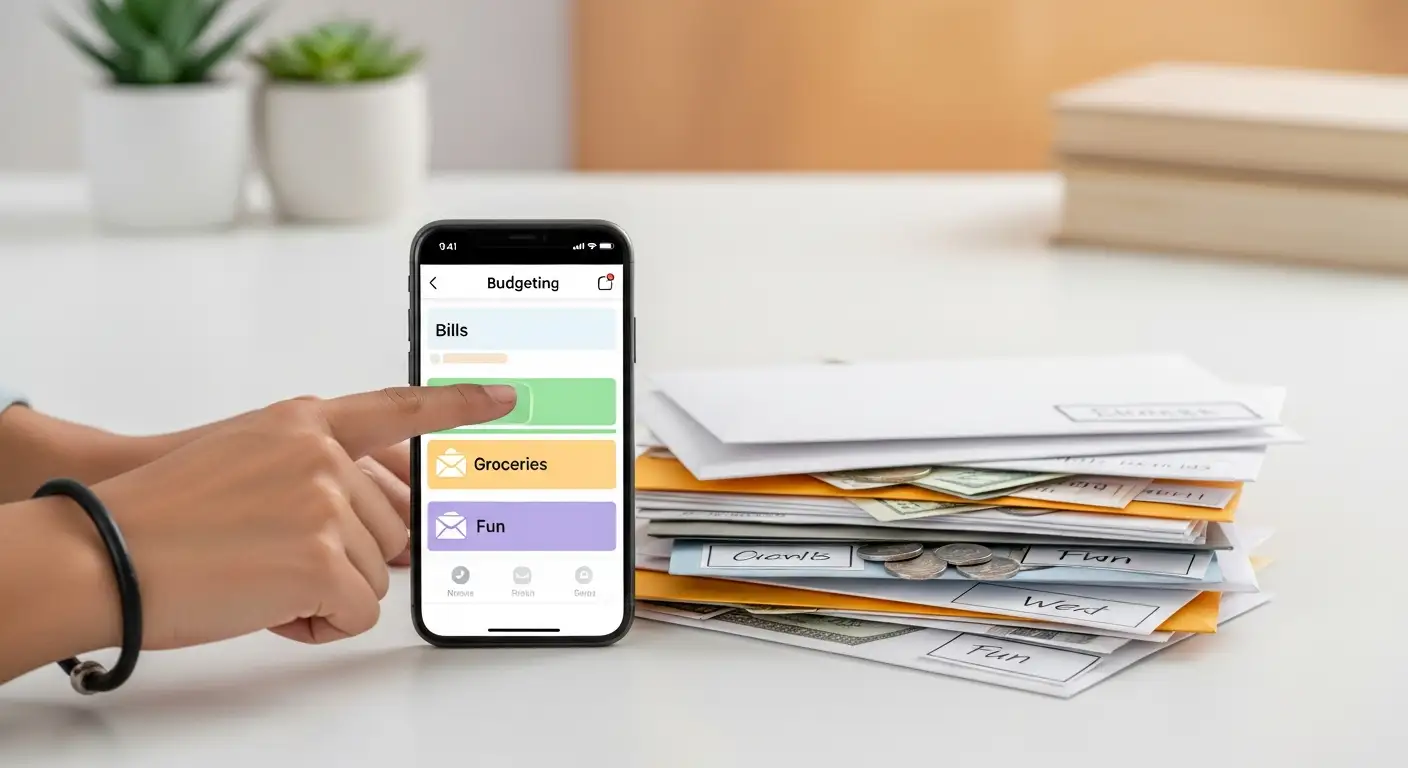
One of the most appealing features of digital envelope budgeting tools is the ability to track spending on the go. Since your budgeting system rests on your smartphone, you're never without a direct view of your expenses and balance left in each envelope. This portability resolves one major challenge of the cash envelope system which requires carrying physical cash.
Moreover, digital apps don’t only make the process fun with cheerful interface designs and gamification elements that reward responsible budgeting, but they also inspire stronger habit formation. For example, some apps let you set savings goals, and reaching those goals might unlock motivational badges or congratulatory messages. These small touches enhance user engagement and satisfaction.
Of course, no solution is completely without trade-offs. A digital envelope system's dependency on technology, and particularly mobile devices, means users need to be savvier about potential security risks. There's an essential need to secure personal information with strong passwords and perhaps even additional protective layers like two-factor authentication. While these methods might require a more cautious approach, embracing them ensures financial data remains secure.
Cost is another factor to consider. While many apps offer free versions with sufficient functionality, exploring the advanced features might come with subscription fees. As with any budgeting decision, weigh the utility against the cost—if an app helps save more money than it costs, then it might be worth the investment.
Finally, using online banking together with envelope budgeting apps further streamlines the process. Linking your apps with your bank accounts means those two worlds—income allocation and spending control—work in harmony. Many banks themselves offer features where users can categorize digital transactions directly within their banking apps.
In closing, the art of budgeting is all about awareness and mindfulness of how money flows in and out. Whether you prefer the atmosphere of thick paper envelopes brimming with cash or lean towards the tap-happy world of smartphone apps, the goal remains to live within means and guide financial decisions with intent. Digital versions of the envelope method embrace technological advancements while retaining the core values that make budgeting effective.
So, choose an app and take a deep dive to explore what it's like to budget digitally. Let these modern tools seamlessly blend into your life, bridging the gap between the channels of old-fashioned wisdom and new-age convenience. Ultimately, they might just be what you need to foster better financial habits and enjoy spending more intentionally.