In the present digital age, banking and financial interactions have largely shifted online, offering customers unparalleled convenience and access to their money. However, this increased accessibility has also opened avenues for cybercriminals aiming to exploit vulnerabilities. One of the most prevalent threats facilitating these cybercrimes is phishing scams, which are becoming increasingly sophisticated in their approach to target your bank accounts. It’s essential to be vigilant and knowledgeable about these scams to protect your hard-earned money.
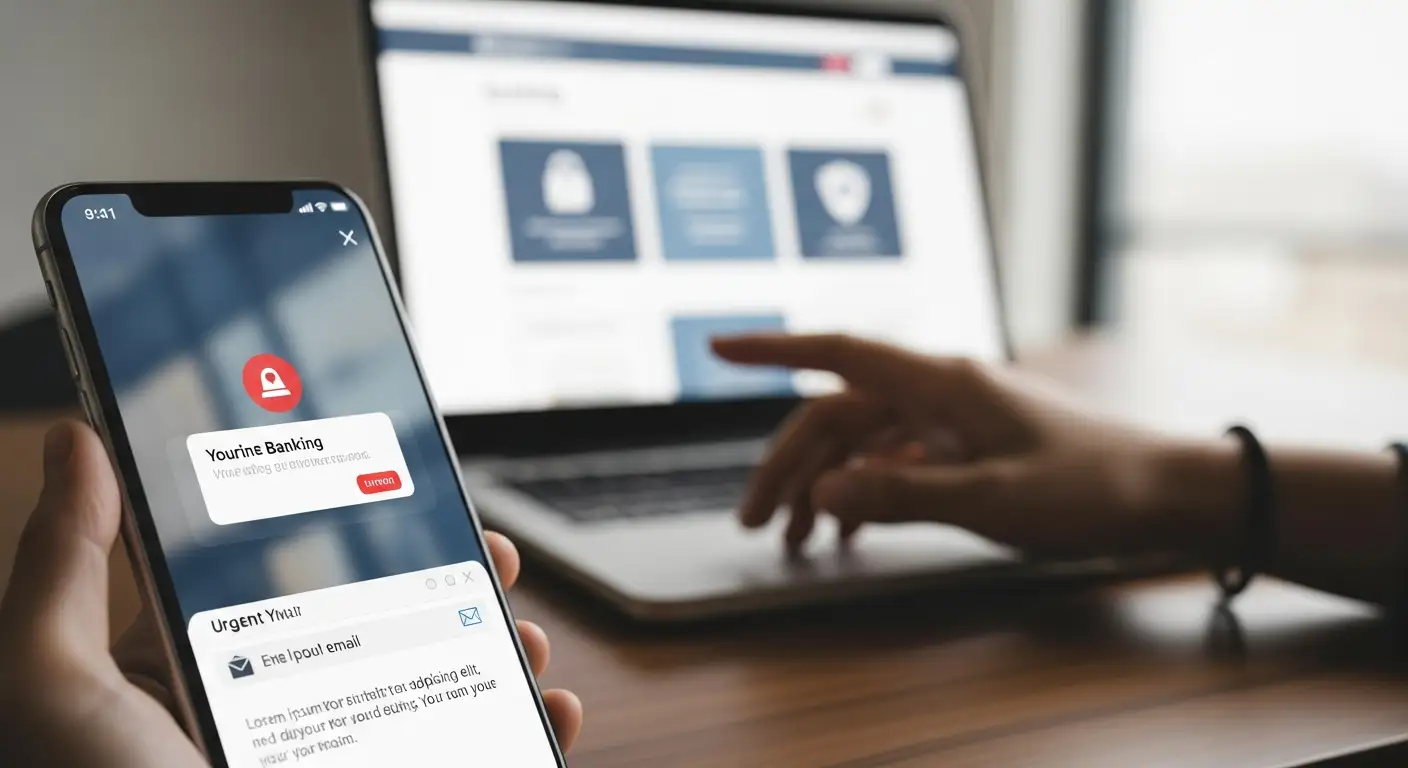
Phishing scams typically impersonate legitimate organizations to trick you into divulging sensitive information like login credentials, account numbers, and personal identification data. A common method employed is sending fake text alerts or urgent emails that mimic communication from your bank. These messages often carry an alarming tone, urging immediate action under the guise of protecting your account. For instance, you might receive an email claiming there's been suspicious activity on your account, directing you to click a link to verify your identity. However, these links often lead to fraudulent websites crafted to steal your confidential information.
One of the first things to notice in a potential phishing email is the sender’s address. While the email may appear genuine at first glance, closer inspection often reveals a slight deviation from the legitimate domain used by your bank. For example, a phishing email may come from an address ending in “@bank-secure.com” instead of the official “@bank.com.” Additionally, be wary of generic greetings such as “Dear Customer,” as legitimate banks typically personalize their communications with your name.
Another indicator of phishing scams is the presence of urgent and threatening language. Messages might suggest that your account will be closed or suspended unless you act promptly. Scammers rely on creating panic to force rushed decisions that bypass your usual caution. Similarly, attachments or links promising rewards, refunds, or lottery winnings are often bait to lure you into divulging sensitive information.
Fraudulent websites linked in phishing emails are designed to look like your bank's site but contain subtle differences. Examine the URL carefully before entering any credentials; secure sites should start with “https://” instead of “http://,” with the presence of a padlock icon indicating a secure connection. However, appearance alone should not be trusted, as some phishing sites can convincingly mimic official sites in appearance.
While emails are a common phishing vector, scam text messages have also been on the rise. Known as “smishing,” these texts may appear as account alerts demanding immediate attention. Similar to phishing emails, they often contain suspicious links and urge immediate action to prevent account disruptions. If you receive such texts, do not click on any links. Instead, directly access your bank’s official app or contact their customer service line for verification.
To safeguard yourself from falling victim to phishing scams, it's critical to adopt a cautious approach when handling unexpected communications alleging to be from your bank. Familiarize yourself with your bank's official communication channels and methods. Keep in mind that genuine banks will never ask for your password or PIN via email, call, or text. If uncertain, do not hesitate to contact your bank directly using contact information provided on their official website.
Another strategy to enhance your security is enabling multi-factor authentication (MFA) for your bank accounts. MFA provides an additional layer of protection by requiring more than one form of verification, such as a text message code or fingerprint recognition, before granting account access. This makes it significantly more difficult for scammers to gain unauthorized entry, even if they have stolen your login credentials.
Constant vigilance is the cornerstone of defending against phishing. Regularly update your passwords and refrain from reusing them across multiple platforms. Use a password manager to generate and store strong, unique passwords that are hard to break. Moreover, keep your computer and smartphone security software up to date, as these are integral defenses against unauthorized access and malware.
Educating yourself and others about the nuances of phishing scams is a proactive measure that can save not only your finances but also your personal and professional reputation. Share knowledge with family and friends, especially those who may not be as tech-savvy, and encourage them to follow best practices in online safety.
Lastly, report any phishing attempts to your bank and appropriate authorities to help prevent future scams. Many banks have dedicated departments to handle such complaints and can ensure that appropriate measures are taken to protect you and other customers. Additionally, reporting scammers contributes to a broader effort to combat cybercrime and safeguard the digital landscape.
In conclusion, detecting and preventing phishing scams targeting your bank accounts requires awareness, cautious behavior, and adherence to best practices in digital security. By being knowledgeable about common phishing indicators and adopting a proactive approach to verifying communications, you can better protect your financial information and maintain peace of mind in your online banking activities.