In an age characterized by sharing economies and digital networks, the concept of collaborative consumption is making a pronounced impact in local communities. By focusing resources and sharing low-use, high-cost items like tools and appliances, individuals can mitigate personal expenses while fostering a sense of unity and cooperation among neighbors. Tool and appliance libraries, structured as neighborhood equipment shares, are becoming vital components in the economic ecosystems of neighborhoods across the globe. This piece will delve into how these libraries operate, their economic and environmental benefits, and how they promote community collaboration and resilience.
Collaborative consumption is essentially based on the ownership and usage dynamics of communal economies, which capitalize on sharing resources that are not consistently required by any single household. This concept is increasingly applied to items like lawn mowers, drills, kitchen mixers, and other equipment that may not be used frequently enough to justify individual ownership. Through tool and appliance libraries, communities can collectively pool their capital, thereby reducing the need for individual purchases and the maintenance costs associated with these seldom-used items.
Managing a tool library involves careful organization and contribution from community members, but its benefits can be substantial. For starters, financial savings are considerable; households can significantly cut back on expenses for purchasing and maintaining tools and appliances. For example, instead of five families each buying a $200 lawn mower, they can collectively buy one, thereby saving $800 in total. This conserved capital can be redirected towards other necessities, investments, or community projects.
Moreover, this model supports sustainability. The environmental benefits are notable, as it reduces the need for manufacturing and disposing of underused equipment. By sharing tools, the community lessens its carbon footprint and helps contribute to the circular economy, where resources are reused rather than disposed of, ultimately conserving natural resources and reducing pollution. This resonates well with modern eco-conscious mindsets and policies aiming to tackle climate change.
The setting up of a tool or appliance library requires the coordination of resources, time, and contributions from community members. It begins with the identification of residents' shared needs and interests. This is crucial in determining the type of equipment that should be acquired and stored. Consideration should be given to the most practical and functional items that can serve the broadest needs. Neighborhood meetings and surveys can be effective methods to gauge these interests.
Once the necessities are identified, the community needs to establish a system for purchasing, maintaining, and organizing these items. A possible structure could include setting up membership fees or donations, creating a volunteer group for managing the inventory, and drafting agreements on the correct usage and return protocols for the equipment. Digital tools such as online platforms can facilitate scheduling and reservations to ensure equipment is available when needed.
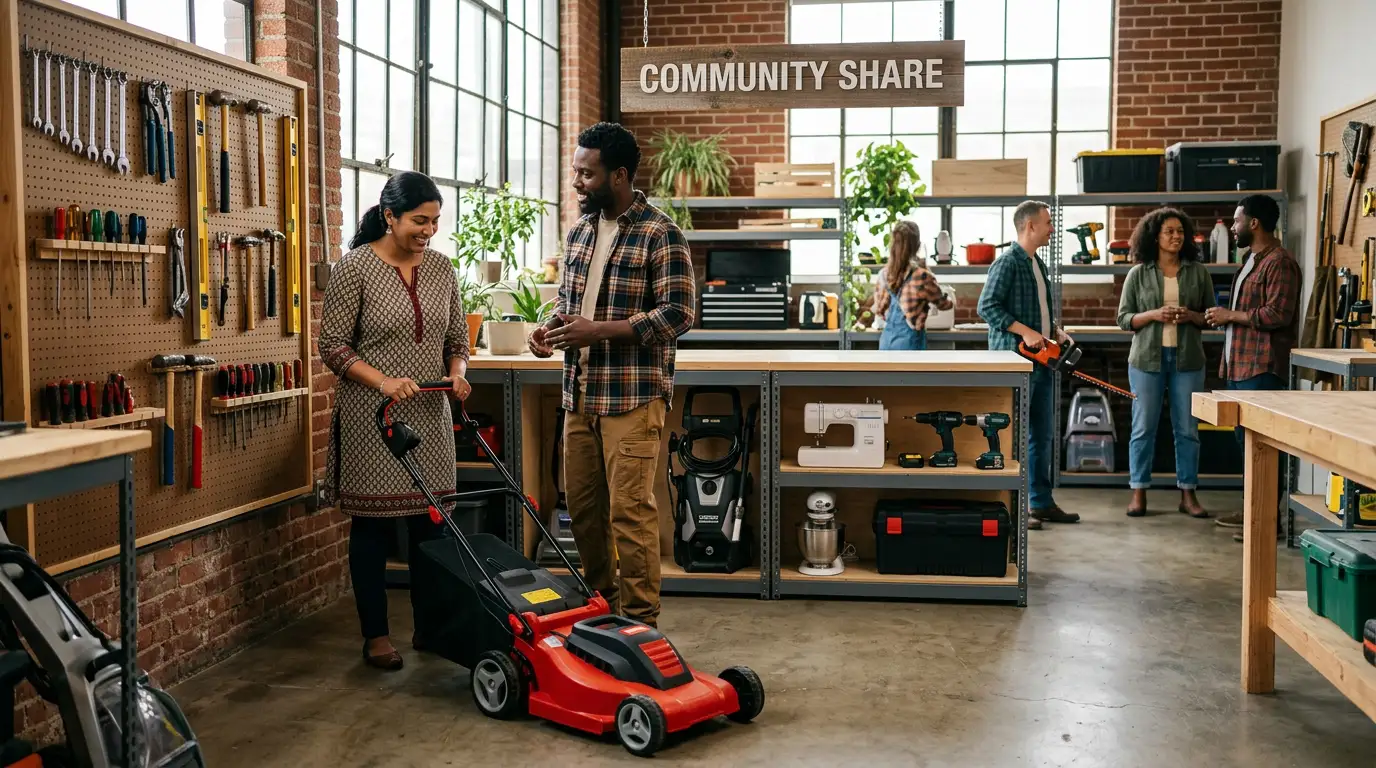
The presence of a library also enhances community engagement and social ties. Neighbors who might not have interacted otherwise can establish connections over shared equipment use. This fosters a sense of camaraderie and support, and can encourage other collaborative initiatives like community gardens, clean-ups, or skill-sharing workshops. Such interactions increase community resilience, provide a social safety net, and create a more interconnected and cooperative neighborhood.
Furthermore, localized tool and appliance libraries can act as gateways to skill development. Community members may have opportunities to learn from each other about proper tool use, basic repairs, or specific project undertakings. This knowledge transfer is beneficial, especially in an era where DIY home improvement projects are gaining popularity. The sharing of expertise and know-how adds an educational dimension to the library, allowing it to be not just a resource for tools but also a knowledge hub.
Adaptability is another critical feature of these libraries. As community needs evolve, so too can the inventory. Periodically reassessing the kind of items that are most useful and reviewing their usage patterns allows a library to remain relevant and make room for new acquisitions. This ensures optimal utility of resources, guarantees that contributions are always channelled into items of necessity, and reflects the changing dynamics and preferences of the community.
Additionally, these libraries have the potential to benefit local businesses. When organized in partnership with or supported by local hardware stores, these institutions can serve as introductory platforms for testing tools before purchase, promoting local commerce through discounts or sponsorships. This symbiotic relationship benefits both residents and businesses, fostering a healthy local economy.
In conclusion, collaborative consumption through localized tool and appliance libraries offers financial, environmental, and social benefits. By pooling resources for low-use items, communities can alleviate individual financial burdens while enhancing sustainability efforts and community engagement. The structural economy of neighborhood equipment shares is solidified through collective responsibility, shared interests, and a dedication to improving quality of life, showcasing a modern approach to community finance and resource management. Such initiatives represent the quintessence of collective power and mutual benefit—an exemplary model for others to emulate in a world increasingly attuned to sustainability and community-driven solutions.