Starting school is an exciting and sometimes daunting experience for young children and their families. Transitional Kindergarten (TK) is a growing educational program designed to bridge the gap between preschool and traditional kindergarten. It offers children who may not yet be ready for the structured environment of a kindergarten classroom an opportunity to acquire the necessary skills and confidence. This article will walk you through what TK is, what teachers typically look for in terms of social, emotional, and fine-motor development, and how you can help your child prepare for this important milestone.
Transitional Kindergarten serves as the first year of a two-year kindergarten program, designed primarily for children who turn five in the latter months of the year. This concept is built on the understanding that children develop at different rates, and those with birthdates close to the cutoff lines might benefit from an extra year of preparedness. TK provides a nurturing environment where children can develop foundational skills at a personalized pace, ensuring they are well-prepared for their educational journey ahead.
Social development is a key focus in transitional kindergarten, as it underpins a child's ability to thrive within the school environment. Teachers observe how children interact with peers, noting their ability to share, take turns, and listen to instructions. As social beings, children learn a lot from interacting with their peers, and TK provides ample opportunities for them to engage in these interactions. Encourage your child to participate in group activities, whether in playgroups or community events, where they can practice these social skills. This can help ease social anxiety and build confidence in interacting with others.
Emotional readiness is another crucial aspect of starting school. Children in TK are encouraged to develop self-regulation skills, such as expressing emotions in appropriate ways and adapting to changes in routine. Teachers look for signs of emotional maturity, such as how children handle frustration or disappointment and their ability to communicate feelings verbally. To assist your child in this area, you can model emotional management at home. Use everyday situations to discuss emotions and practice ways of expressing them; this lays the groundwork for your child to manage emotions effectively in a school setting.
Fine motor skills, involving small muscle movements in the hands and fingers, are crucial for school readiness. These skills are essential for tasks like holding a pencil, cutting with scissors, and dressing independently. Teachers will often assess a child's ability to perform tasks such as drawing shapes, writing their name, or completing simple puzzles. To foster fine motor skills, engage your child in activities like playing with Play-Doh, threading beads, or coloring. Simple daily tasks, like buttoning shirts or zipping jackets, can also build these capabilities, giving your child more confidence in their independence.
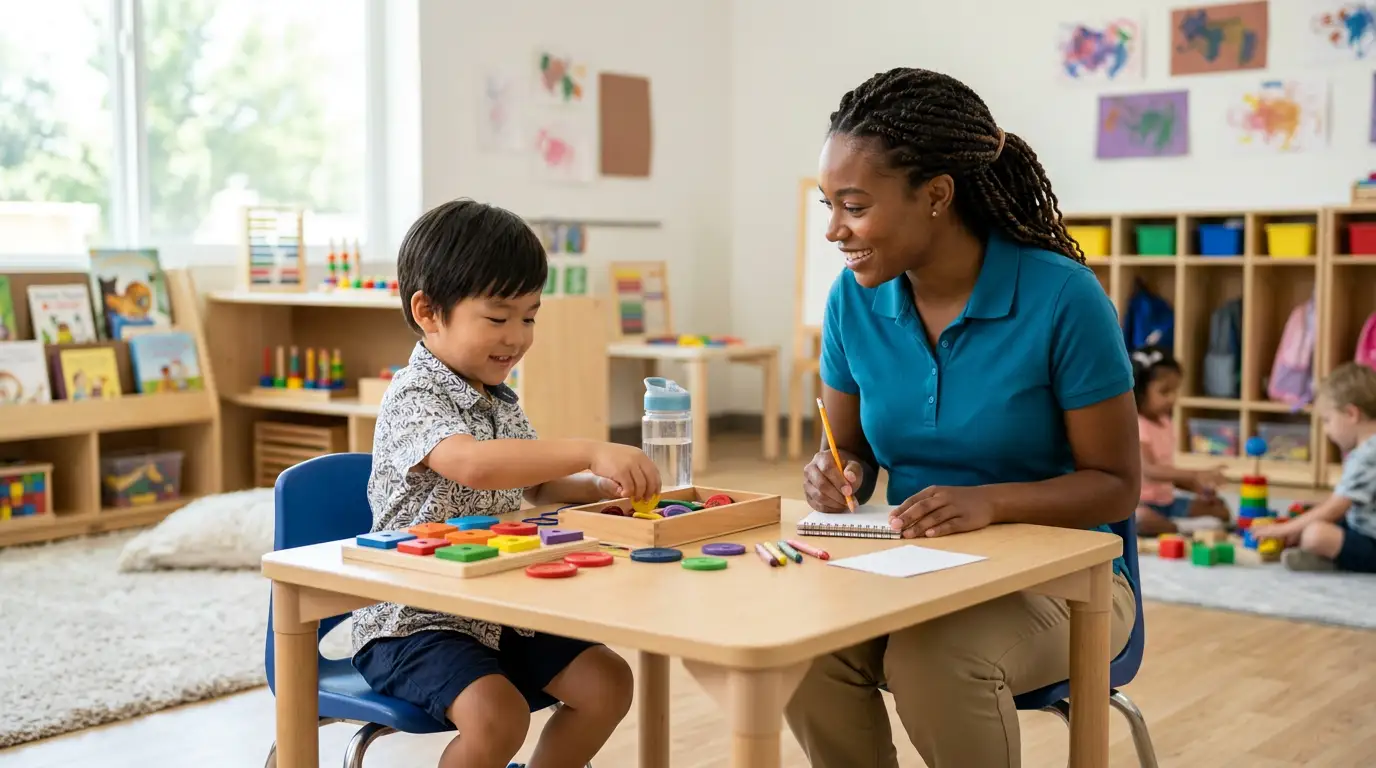
While preparing your child for transitional kindergarten, it is beneficial to establish a routine that mirrors a typical school day. A consistent bedtime and wake-up schedule will help your child adjust to the structure of a school day. Additionally, encourage activities that involve listening and following directions, as these are integral to classroom learning. Reading together daily not only improves literacy skills but also enhances focus and listening abilities.
In mid-summer preparation, teachers might hold orientation sessions or provide resources to help parents understand what to expect. These opportunities allow you to familiarize yourself with the program and its expectations. Meeting with educators early can give insight into the TK curriculum and provide the chance to discuss any specific needs or concerns regarding your child.
Most of all, emphasize the positive aspects of starting school. Transitioning to kindergarten can be a big shift for young children, but reinforcing the excitement can help them approach this new chapter with enthusiasm. Talk about making new friends, learning new things, and all the fun that awaits them at school. Reinforcing a positive attitude towards school can significantly impact your child's willingness to engage and participate.
In conclusion, Transitional Kindergarten is a vital program that sets the stage for a successful and enjoyable school experience. By nurturing your child's social, emotional, and fine-motor skills over the summer, you can help them start on a strong footing. Most importantly, remember that every child develops at their own pace, and what matters most is providing them with a supportive and loving environment as they embark on their educational journey.