Social-Emotional Learning (SEL) has emerged as a significant focal point in educational settings worldwide, aiming to foster holistic student development. At the heart of SEL is the notion that emotional intelligence and social skills form a foundation upon which academic learning can be more effectively built. Educators and researchers have increasingly explored the connection between SEL and academic performance, seeking to understand how skills such as empathy, self-regulation, and interpersonal communication can contribute to an enhanced educational experience.
SEL programs are typically designed to address five key competencies: self-awareness, self-management, social awareness, relationship skills, and responsible decision-making. These competencies help students navigate the complexities of school life and the diverse social interactions they encounter daily. By focusing on these areas, SEL aims to equip students with the skills necessary to manage stress, set goals, and make responsible choices, all of which play a crucial role in their academic and personal lives.
Research in the field of SEL suggests that these programs can have a wide-ranging impact on students. One of the key benefits frequently highlighted is an improvement in student behavior. When students develop better self-regulation and interpersonal skills, they are more likely to engage positively with their peers and teachers, creating a conducive learning environment. Moreover, SEL programs often lead to a reduction in disruptive behavior, bullying, and emotional distress, all of which have the potential to derail academic progress.
Studies on the impact of SEL on academic performance often emphasize the role of self-awareness and self-regulation. Self-awareness helps students recognize their learning styles, strengths, and areas for growth, enabling them to seek help when needed and apply effective learning strategies. Self-regulation, on the other hand, allows students to control impulses and persist through challenges, thereby enhancing their ability to complete tasks and meet academic goals.
Another critical aspect of SEL is the development of social awareness and relationship skills, which enrich classroom interactions and collaboration. When students cultivate empathy and learn to appreciate diverse perspectives, they become more adept at working in teams, a skill that is increasingly valued in modern educational settings. This collaborative ability not only supports group projects but also enriches classroom discussions, leading to a deeper understanding of the subject matter.
The capacity for responsible decision-making is another crucial outcome associated with SEL. Students who are equipped with strong decision-making skills are better able to evaluate options, anticipate consequences, and make choices that align with their long-term academic and personal goals. This foresight can lead to improved time management and prioritization, both of which are essential for academic success.
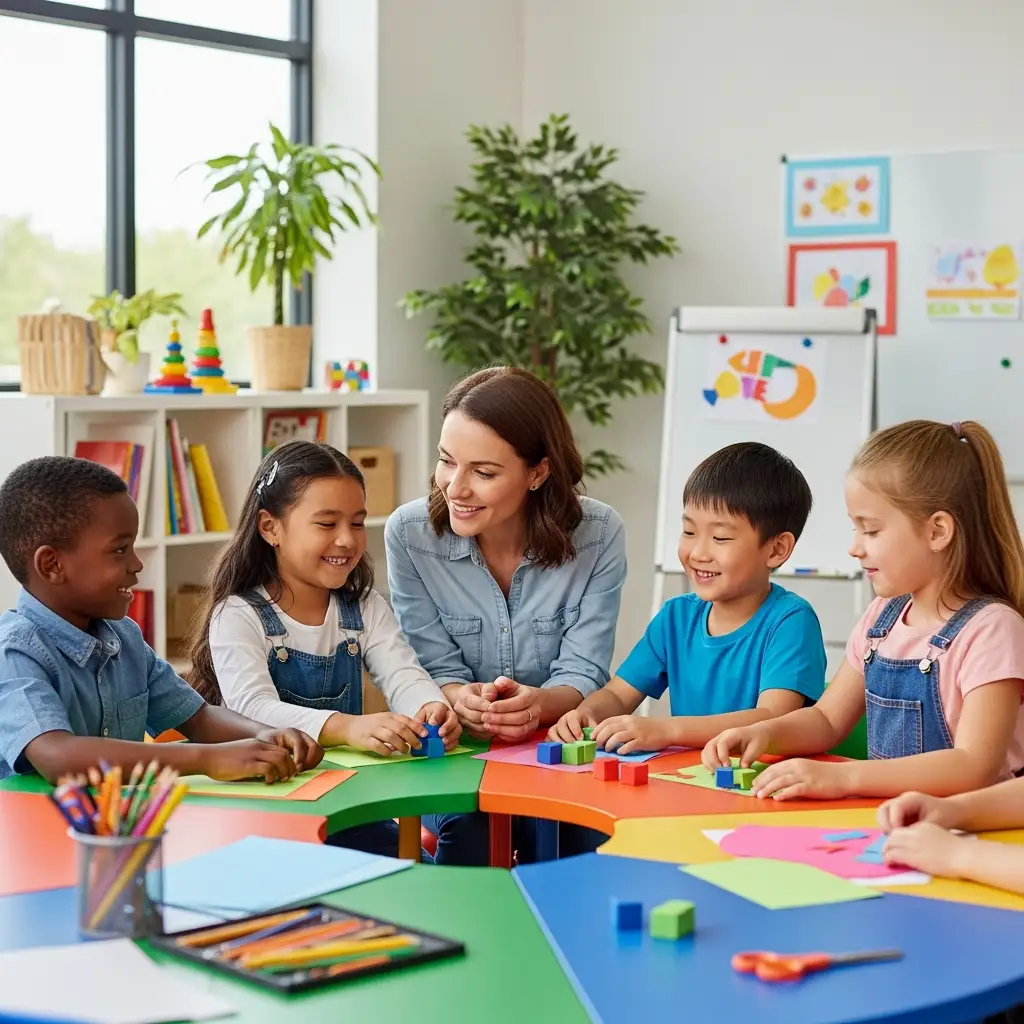
Teachers play a pivotal role in the successful implementation of SEL programs. Professional development and ongoing support for educators are crucial to ensure that they have the skills necessary to integrate SEL into their teaching practices effectively. When teachers model the competencies of SEL and create an emotionally supportive classroom environment, they set the stage for students to follow suit.
Numerous studies have examined the extent to which SEL programs enhance academic performance. While results can vary, many indicate that students who participate in these programs tend to achieve higher grades and perform better on standardized tests. Additionally, SEL has been linked to increased graduation rates and decreased dropout rates, suggesting long-term benefits that extend beyond the classroom.
The impact of SEL on students extends beyond academic metrics. By fostering a greater sense of empathy and social connection, SEL programs contribute to a more inclusive and supportive school culture. Students learn to value diversity and develop the cultural competence needed to thrive in a globalized world. This sense of belonging can reduce feelings of isolation and increase student engagement, which in turn supports academic achievement.
Given the potential advantages of SEL, schools across the globe have been increasingly incorporating these programs into their curricula. While challenges exist, such as aligning SEL initiatives with existing academic standards and evaluating their long-term impact, the interest in SEL continues to grow. As more schools adopt these programs, the body of research surrounding their effectiveness is likely to expand, providing further insights into how SEL can be optimized to support student success.
In conclusion, the role of social-emotional learning in academic performance is multifaceted, affecting everything from interpersonal relationships to personal resilience. As educational priorities evolve to emphasize not just intellectual skills but emotional and social competencies, SEL stands out as a promising avenue for fostering more holistic student development. The ongoing research and application of SEL in educational settings hold the potential to transform the learning landscape, making it more supportive and balanced for students everywhere.