Advanced Driver Assistance Systems, commonly abbreviated as ADAS, have become a defining feature in modern vehicles, heralding a new era of driving that emphasizes safety, convenience, and enhanced performance. These systems use a variety of technologies to assist the driver in controlling the vehicle, thereby reducing the chances of accidents and making driving less stressful.
ADAS are designed to help drivers with various aspects of operating a vehicle. This includes everything from alerting drivers of potential collisions to providing assistance with steering, braking, and parking. The overarching goal is to complement the driver's abilities, thereby improving overall safety for both the vehicle's occupants and other road users.
Most ADAS technologies utilize a combination of sensors, cameras, radar, and artificial intelligence. These components work together to monitor the surrounding environment of the vehicle, recognizing potential hazards and making real-time decisions to avoid accidents or mitigate their impact. By continually gathering and analyzing data, ADAS can offer timely feedback and, in some cases, take control of the vehicle to avert danger.
One of the primary features of ADAS is adaptive cruise control. Unlike traditional cruise control systems that maintain a pre-set speed, adaptive cruise control uses radar and cameras to monitor traffic conditions. It can automatically adjust the vehicle's speed to maintain a safe distance from the car ahead, reducing the need for driver intervention in heavy traffic.
Lane-keeping assistance is another vital feature commonly found in ADAS. This technology uses cameras to monitor lane markings on the road. If the vehicle begins to drift out of its lane without signaling, the system can alert the driver with visual, audible, or haptic warnings. Some systems may gently steer the vehicle back into its lane, helping to prevent unintentional lane departure.
Parking assistance systems are particularly beneficial in urban settings, where parking can often be challenging. Using ultrasonic sensors, ADAS can detect suitable parking spaces and assist in maneuvering the vehicle into tight spots. Some advanced systems can handle the entire parking process autonomously, enhancing convenience and reducing the likelihood of minor accidents during parking.
Blind spot detection adds another layer of safety by monitoring areas around the vehicle that are difficult for the driver to see. When another vehicle enters the blind spot, the system provides a warning, typically a light on the side mirror or an audible alert, to help the driver make safer lane changes.
Automatic emergency braking is a critical function that can prevent or lessen the severity of collisions. By using sensors to detect an imminent crash, the system warns the driver and, if necessary, applies the brakes automatically. This feature is particularly beneficial in preventing rear-end collisions, which are common in high-traffic environments.
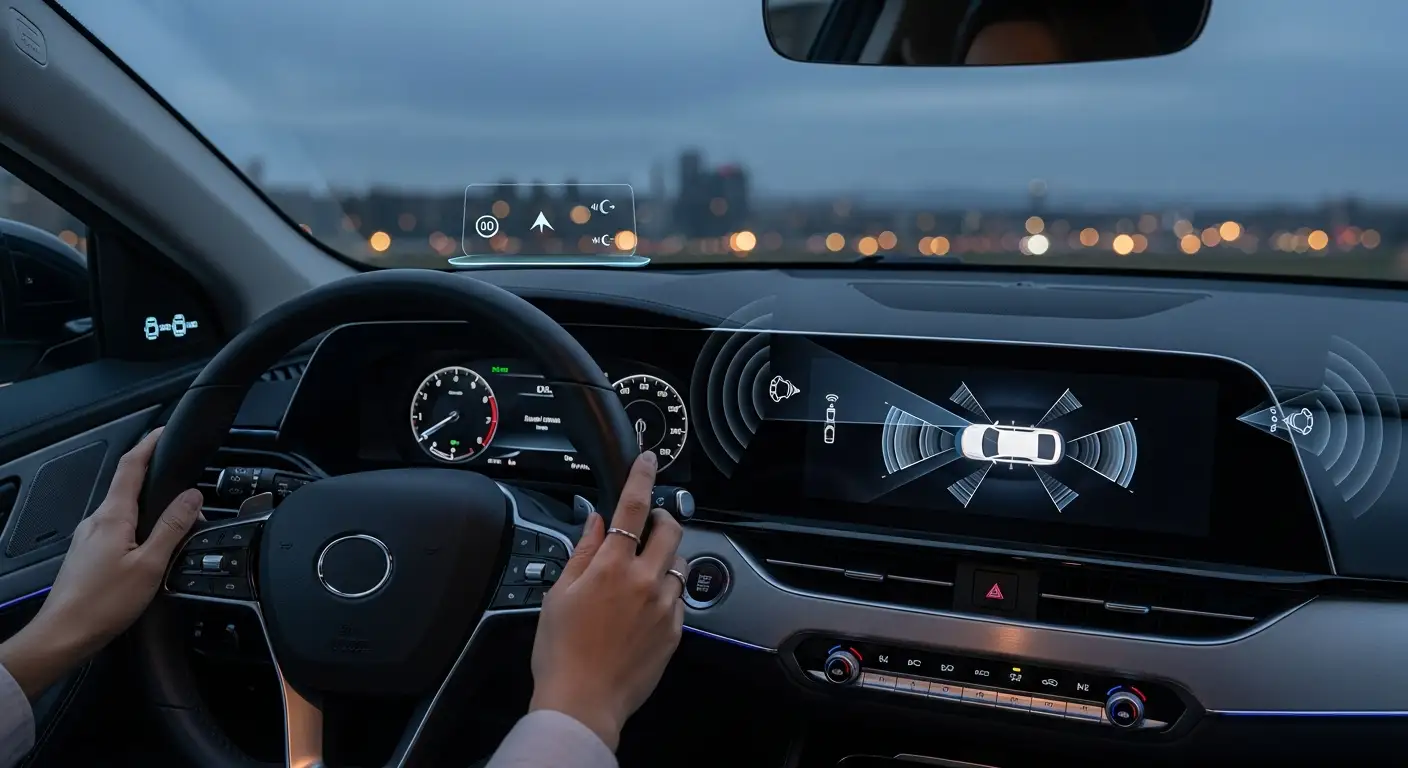
ADAS also enhances the driving experience through traffic sign recognition technology. This system uses cameras to identify road signs such as speed limits, and it can inform the driver by displaying this information on the vehicle’s dashboard. Such features assist drivers in adhering to traffic laws and staying informed about the current driving conditions.
Night vision assistance is an advanced ADAS feature that improves a driver's ability to see in low-light conditions. By using infrared cameras, the system can detect pedestrians, animals, and other obstacles that might not be visible to the naked eye, providing a critical safety advantage during nighttime driving.
Drowsiness detection is another innovative aspect of ADAS that focuses on the driver's well-being. By monitoring the driver's steering patterns, eye movements, and other indicators, the system can determine when a driver is fatigued and issue alerts to encourage taking a break. This feature is especially useful for long-distance travel, where driver alertness can decline.
Heads-up displays (HUDs) are increasingly integrated into vehicles with ADAS, providing drivers with essential information without requiring them to look away from the road. By projecting information such as speed, navigation directions, and safety alerts onto the windshield, HUDs help maintain driver focus and enhance situational awareness.
The integration of ADAS into semi-autonomous and autonomous vehicles marks a significant step forward in automotive technology. As these systems become more sophisticated, they continue to lay the groundwork for a future where fully autonomous vehicles could drastically reduce road traffic accidents and transform personal and public transportation.
Despite their benefits, ADAS are not without challenges. For these systems to function optimally, they rely on precise calibration and regular maintenance. Environmental factors such as weather conditions can also influence sensor performance, occasionally leading to limitations in system functionality. Modern vehicles are often equipped with the ability to update these systems, ensuring improvements and adaptations to new driving environments.
ADAS are evolving, and their development reflects broader trends in the automotive industry, such as the shift towards electrification and sustainability. As technology continues to advance, the potential for ADAS to reduce driver workload, enhance safety, and contribute to a sustainable future becomes increasingly significant.
In conclusion, ADAS represent a crucial advancement in modern vehicle design, aiming to enhance safety and support drivers through innovative technology. By understanding the various features and capabilities of ADAS, drivers can better appreciate their vehicle's potential and utilize these technologies to improve their driving experience. As the landscape of automotive technology continues to evolve, ADAS will undoubtedly play a central role in the future of transportation.