The decision to purchase a used electric vehicle (EV) comes with both promises of sustainability and concerns about battery longevity and value retention. As more consumers transition towards greener alternatives, understanding the key aspects of buying a used EV, particularly battery health and resale value, becomes imperative for making an informed choice. This guide aims to educate potential buyers on the intricacies involved in assessing these factors in the purchase of a used electric vehicle.
When considering a used EV, battery health is one of the most critical aspects to evaluate. Unlike traditional combustion engines where wear and tear are often more predictable, the health of an EV's battery pack determines its range, efficiency, and overall performance. Battery degradation is a natural phenomenon; however, it can vary significantly based on the make and model of the EV, how the vehicle has been driven, and its charging history.
A good starting point in understanding battery health is the manufacturer’s battery warranty, which typically ranges from 8 to 10 years or a certain number of miles, whichever comes first. Understanding the specifics of this warranty can provide peace of mind, as it serves as an assurance from the manufacturer regarding battery life expectancy. Make sure to check if the used EV you are interested in still falls under the warranty period.
Additionally, inspecting the vehicle’s battery management system (BMS) reports can offer detailed insights into the health of the battery. These reports can reveal the State of Health (SoH) of the battery, which indicates the current capacity relative to its original capacity when new. An EV with a higher SoH will have a greater remaining capacity, thus offering better performance and longer range.
Temperature management is another crucial factor that influences battery health. Batteries operate optimally within specific temperature ranges. Used EVs from regions with extreme climates might exhibit more pronounced battery degradation due to thermal stress. Therefore, it’s wise to inquire about the vehicle’s history and, if possible, avoid those that have been regularly subjected to extreme conditions.
Charging history plays a pivotal role in dictating battery longevity. Regular fast charging or frequent deep discharge cycles can accelerate the degradation process. When evaluating a used EV, obtaining a summary of the charging habits from the previous owner, if possible, will help in estimating the degradation rate. Cars predominantly charged with Level 1 or Level 2 chargers tend to maintain better battery health compared to those subjected to repeated use of DC fast chargers.
Software updates are an often-overlooked aspect but are essential for preserving battery health. Manufacturers regularly release updates that improve battery management algorithms, enhance charging efficiency, and even extend battery life. Ensuring that the used EV has received all software updates is crucial for maintaining optimal performance.
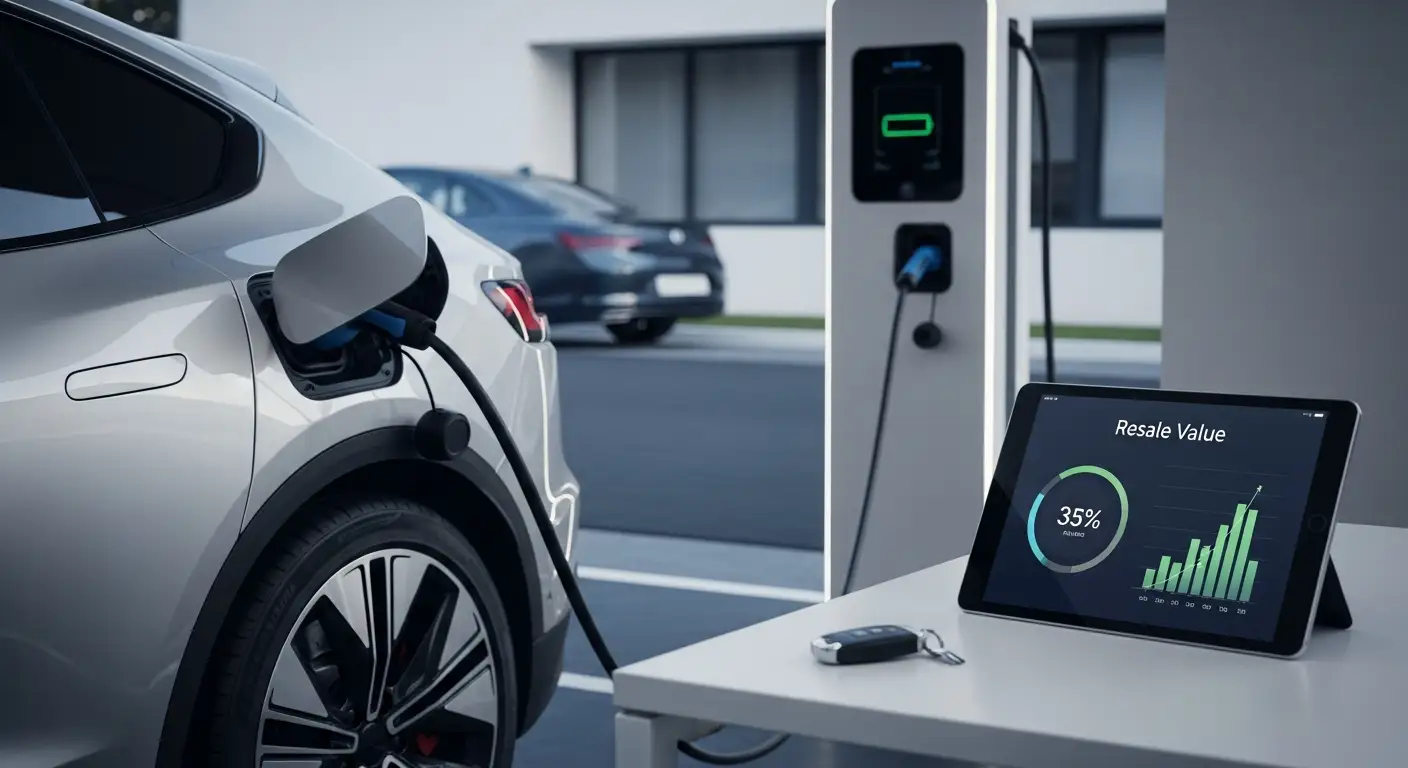
Resale value, an important consideration for any long-term vehicle purchase, works differently for EVs compared to internal combustion engine vehicles. The resale value of a used EV is influenced by several factors, including battery health, brand reputation, technological advancements, market demand, and government incentives.
Brand reputation can heavily impact resale value. Certain manufacturers have established a strong market presence through reliable performance and customer support, resulting in higher demand and better resale prices for their vehicles. Familiarizing yourself with industry trends and customer reviews can provide insights into which brands retain their value better over time.
Technological advancements also play a significant role. The rapid pace at which battery and EV technology evolves means that newer models often come with substantial improvements in range and efficiency. As a result, used EVs with older technology might experience depreciation at a faster rate. It’s important to balance the purchase price with the anticipated depreciation trajectory.
Furthermore, government incentives for new EV purchases can indirectly affect the resale market. Whenever new models are subsidized, the price advantage may create downward pressure on the resale values of used EVs, as buyers can be swayed towards new vehicles due to the financial benefits.
Additionally, the external condition and maintenance history of the used EV should not be overlooked. A well-maintained vehicle with a documented service history is likely to fetch a higher resale value. Pay close attention to the exterior and interior condition, and ensure the vehicle has undergone routine servicing and battery checks.
Lastly, the original range of the vehicle should be considered. EVs with longer ranges generally retain their value better, as range anxiety remains a concern for many potential buyers. Verifying the actual range of the vehicle against its initial specifications is a crucial step in assessing its ongoing value.
As the automotive landscape shifts towards greener alternatives, understanding the nuances of battery health and resale value becomes central to making an informed purchase. Comprehensive research and a thorough evaluation of these factors ensure that buyers not only make a sustainable choice but also safeguard their investments in the long run. By staying informed and vigilant, the purchase of a used electric vehicle can be both a financially savvy and environmentally conscious decision.