Regenerative braking is a technology that has profoundly impacted the efficiency and sustainability of modern vehicles, playing a crucial role in the evolution of the automotive industry. It is an innovative concept designed to recover energy that would otherwise be lost during the process of braking. The energy recuperated can be stored and reused, thereby enhancing the energy efficiency of a vehicle. The mechanism primarily involves converting kinetic energy, which is typically wasted as heat in traditional braking systems, into a form that can be harnessed and stored for later use.
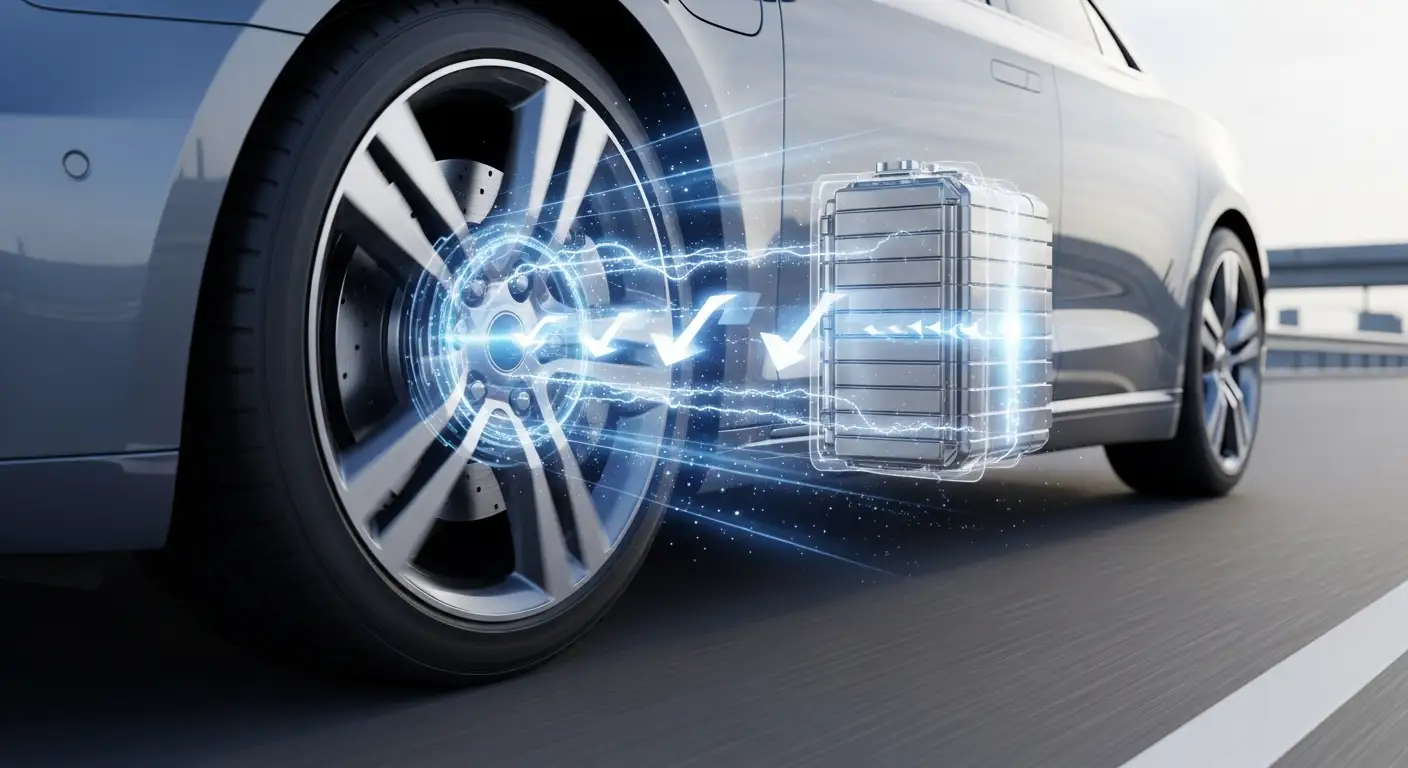
The basic premise of regenerative braking lies in the ability to reverse the function of the vehicle's electric motor during deceleration. In traditional vehicles, braking functions by applying friction to the wheels, which in turn slows down the car. This process converts kinetic energy into thermal energy through frictional heat, dissipating the energy into the atmosphere. Regenerative braking, however, takes a different approach. It leverages the electric motor, which normally propels the vehicle, to instead act as a generator. When the driver applies the brakes, the motor begins to operate in reverse, converting kinetic energy into electrical energy.
This electrical energy is then fed back into the vehicle's battery, effectively recharging it. This conversion is made possible through the use of an inverter, which is a key component of the regenerative braking system. The inverter modifies the current between the motor and the battery, allowing the energy to flow in both directions. In simple terms, it transforms the motor from a device that uses electricity to create motion, into one that can capture motion to create electricity.
In many modern vehicles, regenerative braking is augmented by conventional braking systems. This dual system ensures that sufficient braking force is always available, especially in scenarios where intense deceleration is necessary. During moderate braking, the regenerative system can often suffice. However, when more substantial stopping power is required, the traditional brakes are engaged to provide additional force. This combined system not only enhances safety and performance but also contributes to extended brake life since the traditional braking components experience less wear.
A significant advantage of regenerative braking is its role in increasing the range of electric and hybrid vehicles. By recapturing energy that is usually lost, vehicles can travel further on a single charge, enhancing efficiency and reducing the need for frequent charging or refueling. This energy recovery mechanism is particularly beneficial in urban environments, where frequent stopping and starting occur. Each deceleration enables a small amount of energy to be recaptured, cumulatively making a significant impact over time.
The efficiency of regenerative braking systems is influenced by various factors, including the motor design, the vehicles' battery capacity, and the nature of the driving conditions. Some systems allow for customizable settings, enabling drivers to select the force of regenerative braking to suit their driving style or conditions. For instance, higher regenerative braking can provide a more substantial energy recovery, but it might also alter the driving experience by slowing the vehicle at a faster rate than traditional coasting.
Understanding the thermal management system in regenerative braking is also crucial. As energy conversion processes are not 100% efficient, some energy is still lost as heat. Thus, systems are designed to manage this thermal output efficiently to prevent overheating, which could compromise system performance and safety. These systems work in tandem with the regenerative components to ensure optimal operation, particularly during extended periods of braking.
The integration of regenerative braking technology into the broader context of vehicle design reflects a shift towards more sustainable automotive solutions. Its development is part of a larger trend towards reducing operational emissions and improving energy efficiency in transportation. The ability to recover energy that would otherwise be lost signifies a step forward in minimizing the environmental impact of vehicles.
Future avenues in the development of regenerative braking technology are exploring materials and systems that can further enhance its efficiency. Research is focused on advancing motor technology, battery capacity, and control systems to maximize energy recovery and minimize losses. Emerging technologies, like ultracapacitors, offer the potential for even faster energy absorption and output, which could revolutionize the current capabilities of regenerative systems.
In conclusion, regenerative braking represents a significant technological advancement in automotive engineering. By effectively harnessing and storing energy during braking, it provides a mechanism for reducing energy consumption and extending vehicle range. This technology exemplifies the growing synergy between mechanical design and electrical engineering, contributing to the sustainable transformation of personal and commercial transportation sectors. As research and development continue, regenerative braking is poised to become an even more integral component of future automotive technology, underscoring the ongoing shift towards energy-efficient transportation solutions.