The buzz around "Made in the USA" isn't confined to consumer goods like clothes and electronics. Increasingly, cars parked in driveways and zooming down highways are earning this badge of honor as well. While the automotive industry has always had its fair share of domestic production, the recent trend is all about deepening that commitment, bringing the heart of car manufacturing closer to home. This pivot isn't just flag-waving; it's an industry shift aimed at more practical, even pressing goals—the kind that make life easier for both automakers and car owners alike.
Over the past few years, factors such as trade tensions, rising labor costs abroad, and global supply chain disruptions have spotlighted the vulnerability of dependency on far-flung suppliers. Enter the concept of "localization," the strategy of moving parts production closer to where the final product is assembled or sold. By keeping various stages of production within national borders or at least closer to them, companies can reduce transportation costs and minimize the risk of disruptions that could put their production lines at a standstill.
Take the new wave of electric vehicles that relies heavily on complex, resource-intensive components like lithium-ion batteries. These essential elements are not only costly but are also critical to a car's operation. By refining minerals and producing components closer to home, car manufacturers can avoid the quagmire of international shipping delays and geopolitical tangles.
This shift supports an idea familiar to many: the security of having things done locally. Just like shipping produce from a local farm to a nearby grocery store ensures fresher food, manufacturing car parts domestically promises fresher supply chains. Cut down the travel time for car components, the thinking goes, and you stabilize not just the supply chain but also the local economy, by creating jobs ranging from mining to high-tech battery testing.
Think of it as fortifying a neighborhood to withstand storms. Hurricane season might bring tumultuous winds, but a local supply chain acts as the sturdy houses and community centers that provide shelter. In an ever-unpredictable global market, having resources close at hand is increasingly seen as an essential safeguard.
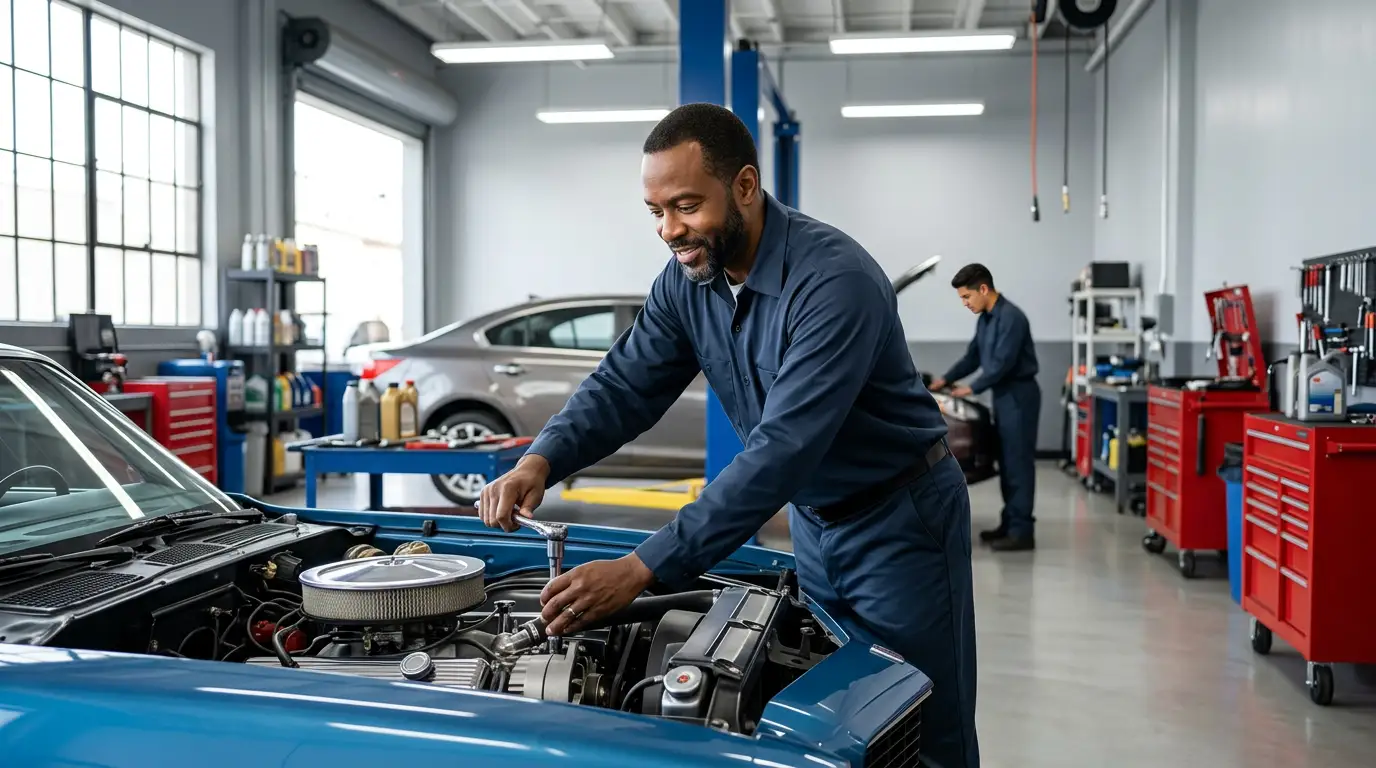
For car owners, this lays the groundwork for more reliable access to repair parts. Fewer supply-chain hiccups mean that an essential part for your car is less likely to be stuck in a shipping container at a distant port. This ensures quicker repair times, reduced vehicle downtime, and even more competitive repair prices as parts become more plentiful and distribution more efficient.
In essence, moving towards a homegrown model for car manufacturing is not just about boosting patriotism. It's about responding to the ecological, economical, and geopolitical realities of our time. It's about making cars' lifecycles from assembly to maintenance more efficient and less reliant on external variables.
For businesses, localizing the production and refining process of critical minerals and parts is a boon to their sustainability efforts. Bringing the requisite processes closer to assembly plants can create a more agile, responsive production environment. This empowers automotive companies to adapt to changing consumer preferences with greater speed and specificity.
The benefits of supply chain localization extend beyond just the business ledger or shop floor; they ripple out into communities. For mining towns or tech hubs, the influx of industries committed to domestic production can spur economic development, injecting vitality into local economies. It's as much about supporting homegrown talent as it is about maintaining sovereignty over key technologies and components.
It's a ripple effect—the kind of tidal change where each decision reinforces and builds upon the previous one. For today's savvy consumer, understanding this trend is important, not only for purchasing choices but for anticipating how it changes expectations about automotive maintenance down the road.
Ultimately, localization in the car industry taps into a broader, more universal motif—autonomy, independence, and resilience. It's a move that aligns with the future of automotive innovation while keeping a keen eye on today's challenges. And for drivers, it simply means one thing: The road to reliability now has a more familiar paving.
As this trend continues to unfold, it will be fascinating to watch how the automotive landscape evolves—both in terms of the cars we drive and the journeys that bring them to us. The reconnaissance isn't a mere shift; it's a return to roots, but with a modern twist that strives to meet the needs of a rapidly changing world. It promises a future where cars still vroom down the old highways—but now with a supply chain tailwind that's entirely fresh and distinctly homegrown.