Having peace of mind while traveling is invaluable, and one effective way to achieve this is by preparing for potential road emergencies. Whether you're embarking on a long journey, commuting to work, or driving to nearby locations, ensuring your vehicle is equipped with an emergency car kit can make all the difference. Creating a basic emergency kit doesn't need to be costly or complex. With a handful of thoughtfully selected items, you can be better prepared to handle unexpected situations on the road. Here’s how you can assemble a low-cost safety bag that prioritizes your safety and comfort.
Start by selecting the right container for your kit. A sturdy, clear plastic container with a secure lid is ideal. It should be large enough to hold all necessary items but small enough to fit in your trunk or back seat. The transparency will help you quickly see what's inside, saving time during an emergency. Alternatively, a durable fabric bag with compartments can work well, offering flexibility and easy organization.
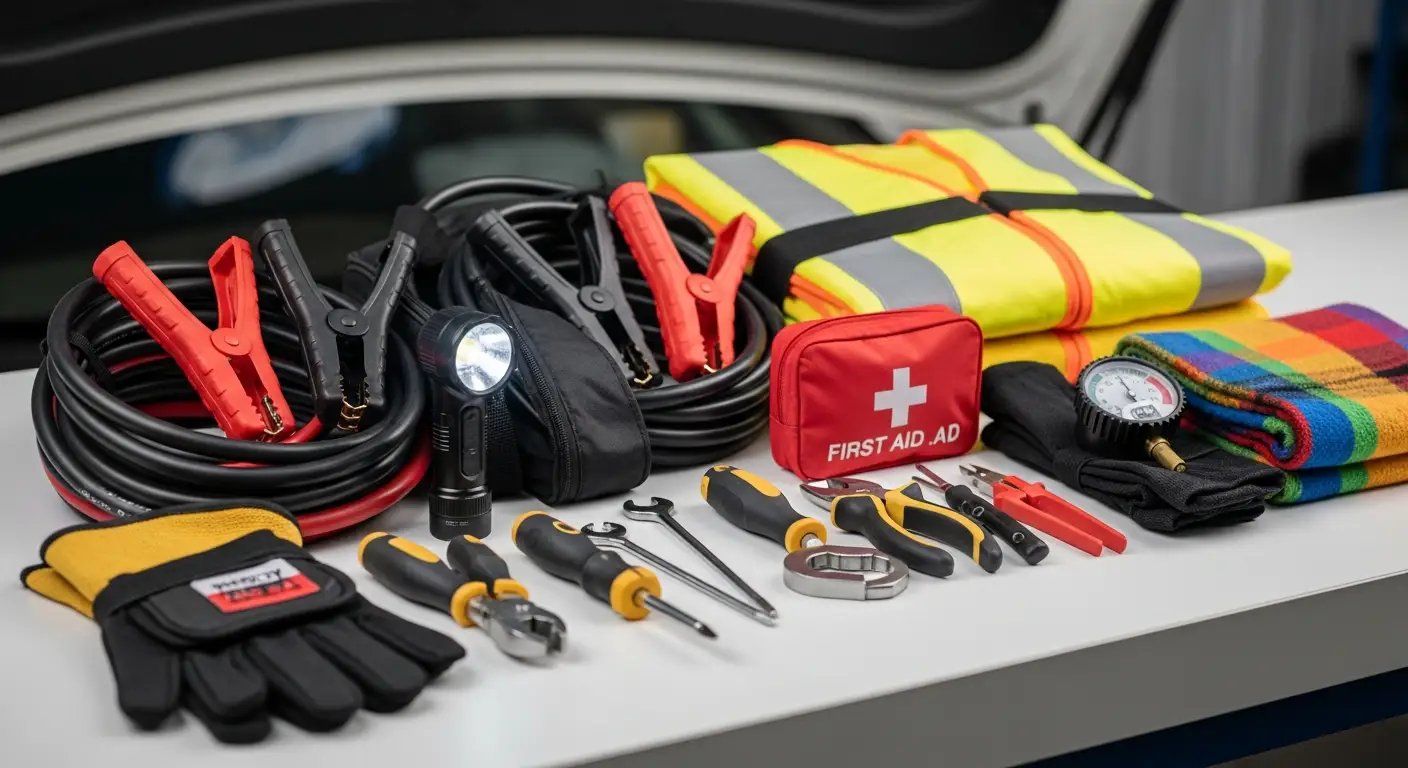
The first essential item for your emergency kit is a set of jumper cables. Dead batteries are one of the most common issues drivers encounter. A quality pair of jumper cables will enable you to restart your vehicle with the help of another car. Look for cables that are at least 10 feet long, adequately insulated, and have strong clamps to ensure reliable performance.
A flashlight is another fundamental component of your kit. In the event of a nighttime breakdown, a reliable flashlight can help you see and be seen. Choose an LED flashlight for its longevity and brightness. It's also wise to pack extra batteries or opt for a hand-crank flashlight that doesn’t rely on batteries at all.
Next, include basic tools that can address minor mechanical issues or help with quick fixes. At a minimum, carry a multi-tool that includes pliers, a screwdriver, and a knife. Additionally, consider adding a small adjustable wrench, which can be helpful for a variety of minor repairs.
A reflective vest is important for your safety, especially if you need to exit your vehicle in low-light conditions. Wearing a reflective vest makes you more visible to other drivers, reducing the risk of accidents. It's a simple and affordable way to prioritize safety while attending to roadside issues.
Incorporate a first aid kit as a key part of your emergency supplies. A compact first aid kit should contain bandages, adhesive tape, antiseptic wipes, gauze, and pain relievers. If you have specific medical needs or travel with family members who do, tailor your first aid supplies accordingly.
Tire troubles like flats can be mitigated by including a can of tire sealant in your kit. Tire sealant can temporarily seal small punctures, allowing you to drive to the nearest repair shop. Familiarize yourself with the sealant's applications, as its effectiveness can vary depending on the type and size of damage.
Another practical addition is a mobile phone charger, specifically one that can be powered from your car’s auxiliary power outlet or cigarette lighter. Ensuring that your phone is charged can be crucial in emergencies when you need to call for assistance or use navigation services.
Include some bottled water and non-perishable snacks like granola bars or nuts. These items provide sustenance if you find yourself stuck and waiting for help. Also, consider adding a thermal blanket to keep warm in cold weather conditions.
Roadside assistance information should also be part of your kit, stored in a waterproof plastic document holder. This folder can contain important contact numbers, such as insurance providers, local towing services, and emergency contacts. Write these down in case your phone runs out of battery or is otherwise unusable.
Consider adding more season-specific items based on your local climate and typical driving conditions. During winter, you might include items like an ice scraper, hand warmers, and a small collapsible shovel. In warmer climates, sunscreen, hats, or a small fan can be handy additions.
Road flares or reflective warning triangles are adjunct safety items that help alert oncoming traffic. These are especially useful when fixing a flat tire or attending to other emergencies on the roadside to prevent further accidents.
Finally, monitor and maintain your emergency kit. Check and update supplies at least every six months to ensure items like food, water, and batteries are fresh and ready for use. Knowing that your emergency kit is up-to-date will enhance your sense of security on the road.
By assembling a basic emergency car kit with these items, you're taking proactive steps to ensure your well-being while driving. This readiness fosters a sense of peace and preparedness, transforming potential roadside frustrations into manageable situations. Remember, the key lies in keeping your kit organized, accessible, and adapted to suit your unique needs. Safe travels!