In the modern automotive landscape, the integration of technology with driving has become more than just a novelty—it’s a necessity. One of the most significant developments in this space is the evolution of AI voice assistants in cars. Once limited to basic voice command features such as making phone calls or switching radio stations, these in-car assistants have now transformed into highly sophisticated systems capable of managing a wide array of functions that enhance the driving experience.
The journey of voice assistants in cars began with simple hands-free systems designed to promote safety by allowing drivers to interact with their vehicles without taking their hands off the wheel or eyes off the road. However, as artificial intelligence technology has evolved, so too have these automotive voice assistants, developing from mere command receivers into intuitive, conversational co-pilots. These systems are leveraging advancements in natural language processing (NLP) and machine learning to understand context, learn from user interactions, and provide personalized experiences.
Today, automotive companies are racing to integrate AI-driven voice assistants that can perform a range of tasks tailored to specific vehicle needs. Imagine pulling up to your driveway, sitting in your car, and having a full-fledged conversation with it. You inquire about the health of your vehicle, and it responds with details about oil levels, tire pressure, and scheduled maintenance checks. No longer do drivers have to guess or rely on their memory for maintenance schedules; their AI co-pilot does the job for them, creating more informed and safer driving experiences.
A significant advancement in these voice assistants is their integration with real-time data systems. For instance, when planning a trip, these assistants can leverage up-to-date traffic data, offering not just the fastest route, but suggesting alternative paths based on live traffic conditions, construction updates, or even predicted weather conditions. This enables drivers to make informed decisions that can save both time and fuel, enhancing the overall efficiency and enjoyment of the journey.
Moreover, the modern AI voice assistant in cars extends its capabilities to manage the vehicle’s efficiency, particularly concerning energy resources such as fuel or battery life. For electric vehicles (EVs), the assistant can provide information on nearby charging stations, suggest the most energy-efficient routes, and inform drivers about their charging habits and battery health. For traditional combustion engine vehicles, the assistant might advise on fuel efficiency techniques or notify drivers about nearby fuel stations when the tank is low.
These assistants are not only about functionality but also about creating a seamless, less stressful driving experience. Imagine driving through an unfamiliar town and needing to find a place to eat—simply ask your AI co-pilot for suggestions based on cuisine preferences and dietary restrictions, and it will provide options with ratings, opening hours, and directions. Such conveniences, facilitated by AI, transform what was once a mundane chore into an enjoyable activity.
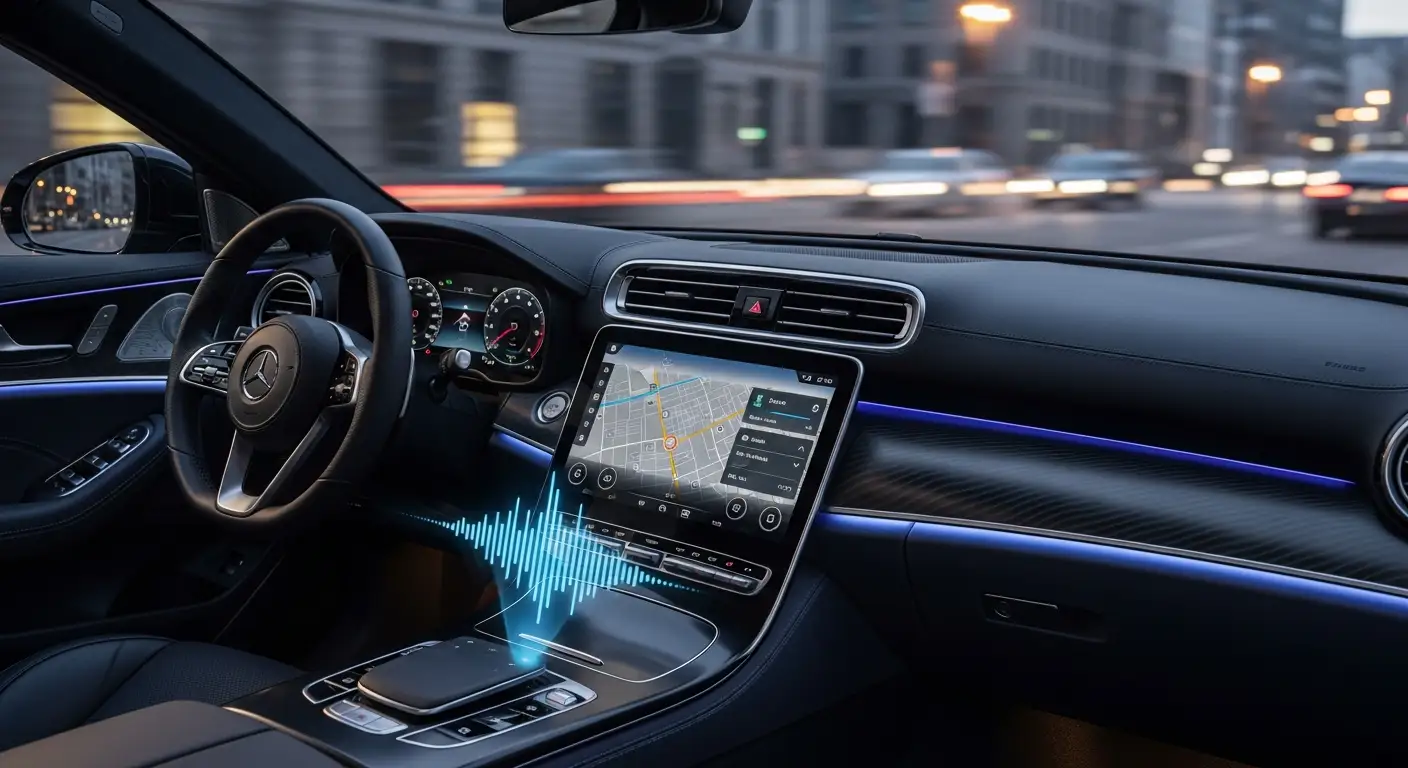
The development of vehicle-specific AI voice assistants also highlights the importance of creating personalized interactions. Future iterations are expected to remember driver preferences, adjust climate control settings, personalize music playlists, and even adjust seat positions—all through natural language conversations. This personalization is not just about comfort; it reflects a growing trend toward making technology more human-centric, allowing people to engage with machines in ways that are intuitive and effortless.
Another exciting aspect of this technology is the potential for integration with smart home devices and other IoT solutions. Imagine leaving your office, and your car reminding you of your calendar events, suggesting optimal departure times based on traffic, and informing your smart thermostat to adjust the home’s temperature just in time for your arrival. This interconnectedness is set to make daily commutes smoother and living more integrated.
Safety is another crucial domain where AI voice assistants are making a significant impact. With the ability to alert drivers about potential mechanical failures or assist in making emergency calls in case of an accident, these systems add a layer of security that wasn't previously possible. Some advanced systems can even monitor drivers’ attention levels and offer alerts if it senses that the driver is distracted or fatigued, enhancing road safety.
As automakers continue to push the boundaries of AI integration, these voice assistants are also expected to evolve in terms of the languages they comprehend and the dialects they can process, making them more accessible to a global audience. The goal is not only to advance technology but also to make it accommodating to the rich diversity of global users.
Despite the impressive progress, it’s important to acknowledge the potential challenges. Issues related to user data privacy, the need for continuous updates, and the reliability of internet connectivity in remote areas are areas that the automotive and tech industries are actively working to address. Nonetheless, the strides being made in AI technology promise an exciting future for car enthusiasts and everyday drivers alike.
In conclusion, AI voice assistants in cars are rapidly transforming how we perceive transportation. By moving beyond rudimentary voice commands to intelligent, context-aware systems that understand and anticipate drivers’ needs, they are setting a new standard for in-car technology. The modern driver now has a co-pilot that not only enhances safety and efficiency but also enriches the entire driving experience through its intelligent, responsive, and personalized interactions. As technology evolves, so too will our cars, making commuting more convenient, engaging, and enjoyable.