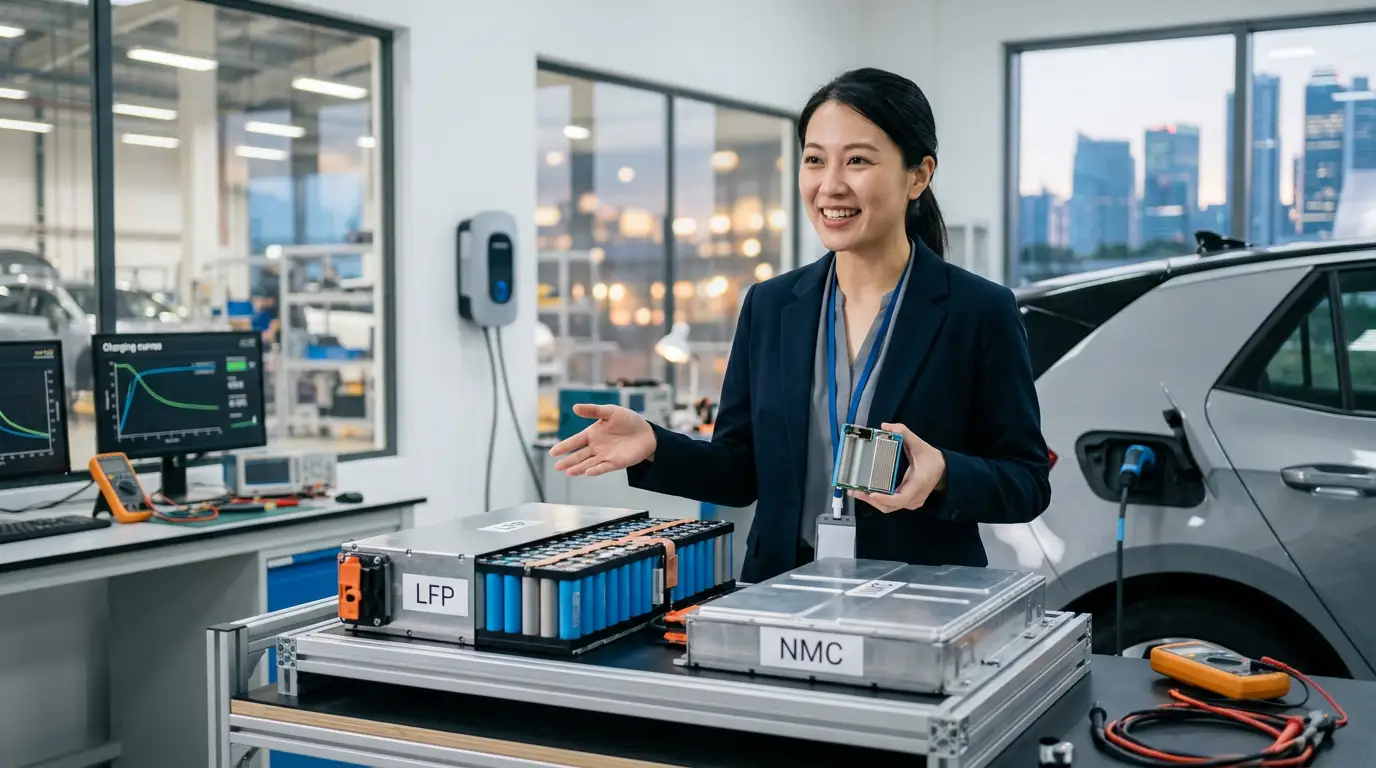
Electric vehicles (EVs) have been making waves in the automotive world, driven by a push for sustainable transportation and lower emissions. As more people consider making the transition to electric cars, understanding the technology behind the batteries that power these vehicles becomes crucial. Particularly, you'll often come across two types of battery technologies: Lithium Iron Phosphate (LFP) and Nickel Manganese Cobalt (NMC). Both are popular in the EV industry, but they serve different needs and come with distinct advantages and drawbacks.
Lithium Iron Phosphate (LFP) batteries are composed of lithium, iron, and phosphate. These materials combine to create a viable contender in the domain of energy storage for EVs. One of the standout features of LFP batteries is their longevity. They are exceptionally durable and stable, which leads to longer cycle life. That means you can charge and discharge them many more times over their lifespan compared to other battery types, like those using NMC chemistry.
In contrast, NMC batteries typically consist of a blend of nickel, manganese, and cobalt oxides. This combination is known for delivering a high energy density, meaning they can store more energy for a given size or weight. This translates to longer driving ranges, which is a significant selling point for many prospective EV owners. However, one downside is that NMC batteries have a shorter lifespan compared to LFP batteries and can be more prone to thermal instability.
A common concern among EV drivers is the impact of regular 100% charge cycles on battery health. For many traditional lithium-ion batteries, regularly charging to full capacity can accelerate degradation, potentially reducing capacity and lifespan. This is where LFP batteries shine markedly.
Due to their robust chemical structure, LFP batteries can endure full charging cycles without substantial degradation. The iron phosphate used in these batteries provides excellent thermal and chemical stability. As a result, they are less likely to experience the kind of thermal runaway events that can affect other battery types under similar conditions. In simpler terms, you can regularly charge an LFP battery to 100% without worrying too much about harming its longevity. This feature not only enhances convenience for users but also aligns well with the everyday charging routines of people who may not have the time or patience to constantly monitor their charging levels.
With regards to safety, LFP batteries are considered very safe when compared to other lithium-ion batteries. Their thermal and chemical stability means they are less likely to catch fire or explode under extreme conditions. For electric vehicles, this adds an additional layer of assurance for both manufacturers and users, especially given past concerns about battery fires in some older EV models.
LFP batteries are also notably more sustainable from an environmental standpoint. The components—iron and phosphate—are abundant and less harmful compared to cobalt, which is mined with considerable ecological and ethical concerns. By opting for LFP technology, manufacturers can circumvent some of these environmental issues.
Despite their merits, it's worth noting that LFP batteries typically have a lower energy density than NMC batteries. This means that for the same weight, an LFP battery might give you a lesser range than an NMC battery. However, this difference is becoming less of a concern as technology improves and the infrastructure for charging electric vehicles continues to expand, making the need for ultra-long ranges less pressing.
Moreover, the cost factor cannot be ignored. LFP batteries tend to be cheaper to produce than NMC batteries, primarily due to the absence of cobalt. This reduction in production costs can be passed on to consumers, making electric vehicles more affordable and accessible to a broader audience. In economies where cost is a decisive factor for consumers, this can be a major advantage for the wider adoption of EVs.
Additionally, LFP's natural characteristics allow for high charge and discharge rates, which means you can charge your vehicle faster and accelerate more swiftly when needed. This could provide an enhanced driving experience, especially for those used to the immediate torque and acceleration of traditional vehicles.
Already, several car manufacturers are making this shift. Some prominent automotive brands, especially those producing budget-friendly or economy electric vehicles, have started to adopt LFP technology for their models. Their choice underscores the versatility and benefits of LFP batteries, especially for users who prioritize durability, safety, and cost-effectiveness over raw range.
In summary, while both LFP and NMC batteries have their places in the rapidly evolving world of electric vehicles, understanding the distinct characteristics of LFP can be instrumental for consumers looking to make informed decisions. The ability to safely charge to 100% without worrying about degradation, coupled with improved safety, sustainability, and cost-effectiveness, make LFP batteries an attractive option for many in the market for an affordable and reliable electric vehicle. As EV technology evolves, it's likely we'll continue to see advancements and innovations that make both types of batteries, and perhaps newer formulations, even better suited to the needs of future drivers.