Electric vehicles (EVs) are becoming increasingly popular, and understanding how to charge them is essential for current and prospective EV owners. Charging an EV can seem complicated at first, but it's similar to how you charge your phone or laptop. Just like these devices, EVs need power to operate, and this power comes from charging their batteries. In this article, we will explore the three main types of EV charging: Level 1, Level 2, and DC Fast Charging, and compare how charging works at home using a standard outlet versus public charging networks.
Let's begin with the simplest form of charging, Level 1. This is akin to charging your EV with the same outlet you use for everyday appliances, like a toaster or lamp. Level 1 charging uses a standard 120-volt outlet like the ones found in most homes in the United States. While convenient because it doesn't require specialized equipment, Level 1 charging is the slowest method of charging your EV.
To better understand the speed, imagine using a trickle of water to fill a swimming pool. It will eventually get full, but it takes a long time. When you plug your EV into a Level 1 charger, you're adding just about 2 to 5 miles of range per hour. If your daily commute is short, and you have all night to charge your vehicle, this might be sufficient. But for longer trips or if you need a faster turnaround, this slow trickle of energy may not be ideal.
If Level 1 charging feels a bit like water torture for your patience, Level 2 charging is like using a garden hose. Faster and more efficient than its Level 1 counterpart, Level 2 charging uses a 240-volt outlet, similar to the ones used by your electric dryer or oven. This type of charging can replenish your EV's battery much quicker, often adding about 10 to 60 miles of range per hour, depending on the vehicle and the charger capabilities.
Level 2 chargers can be installed in your home, typically with the help of an electrician, making it a convenient option for overnight charging or when you’re between errands. For many EV owners, this strikes a happy balance between speed and cost-effectiveness, allowing them to wake up every day to a fully charged vehicle.
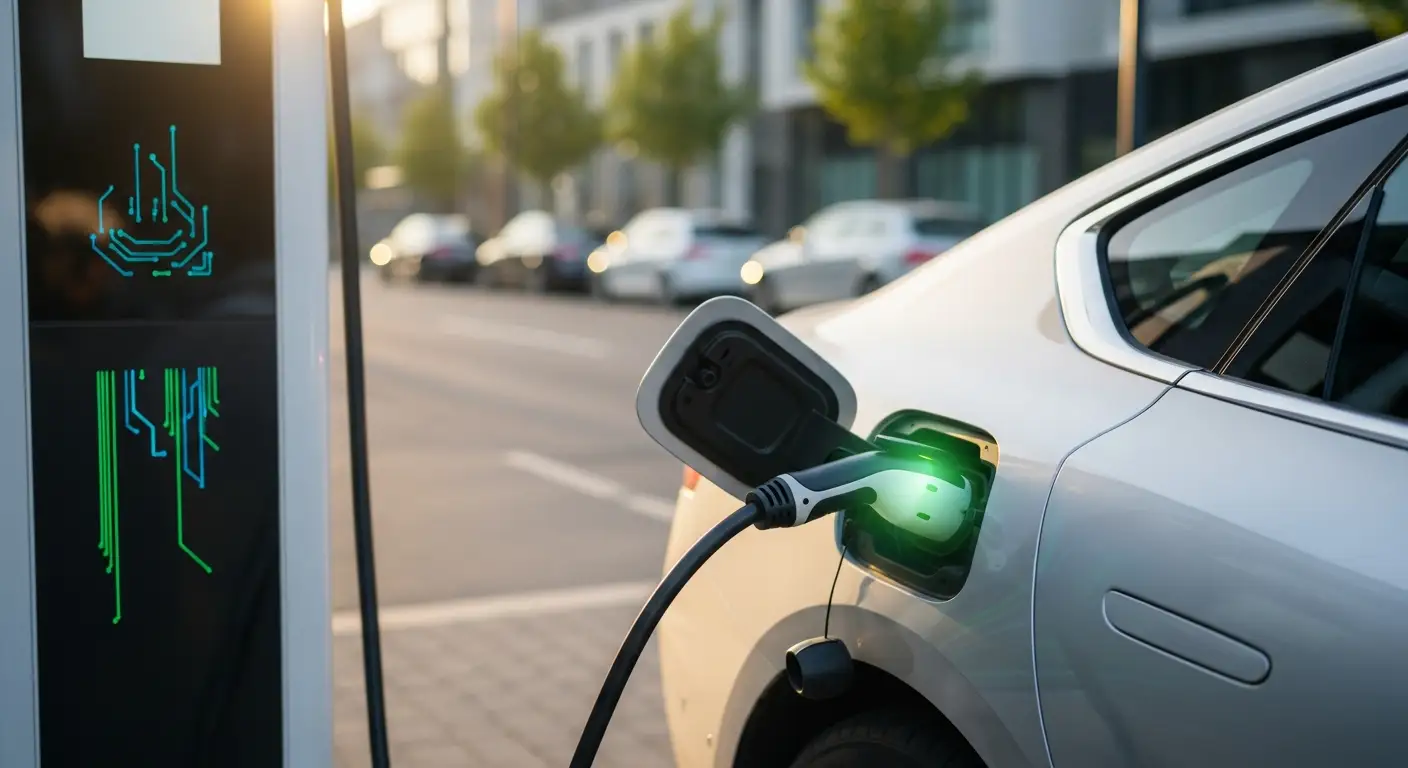
Now, let's zoom into the fast lane with DC Fast Charging. This is the supercharger of the EV world, giving your battery a high-power boost in a short amount of time. Available only in public charging stations, DC Fast Chargers convert AC electricity from the power grid into DC electricity, which is what an EV's battery needs. This allows for rapid charging directly to the battery without the downtime experienced with Level 1 or Level 2 charging.
Imagine DC Fast Charging as a fire hose filling up that same pool in record time. It can add anywhere from 100 to 200 or more miles of range in around 20 to 40 minutes, making it perfect for long-distance travel or when you need a quick top-up. However, frequent DC Fast Charging isn't usually recommended for daily use due to potential wear on the battery over time. It's akin to drinking espresso shots continuously throughout the day instead of a steady flow of regular strength coffee.
Charging an EV involves understanding the infrastructure and the energy needs of your specific vehicle model. At-home charging might emphasize convenience, particularly with Level 1 and Level 2 options, while public charging networks offer opportunities for DC Fast Charging and rapid refueling during long journeys.
In summary, Level 1 charging is great for home use if you have plenty of time, Level 2 offers a faster home charging solution that works well for most daily needs, and DC Fast Charging is perfect for road trips or when you're on the go and need a quick recharge. Understanding these basics helps you optimize charging for your electric vehicle, ensuring it's ready whenever you need to hit the road.