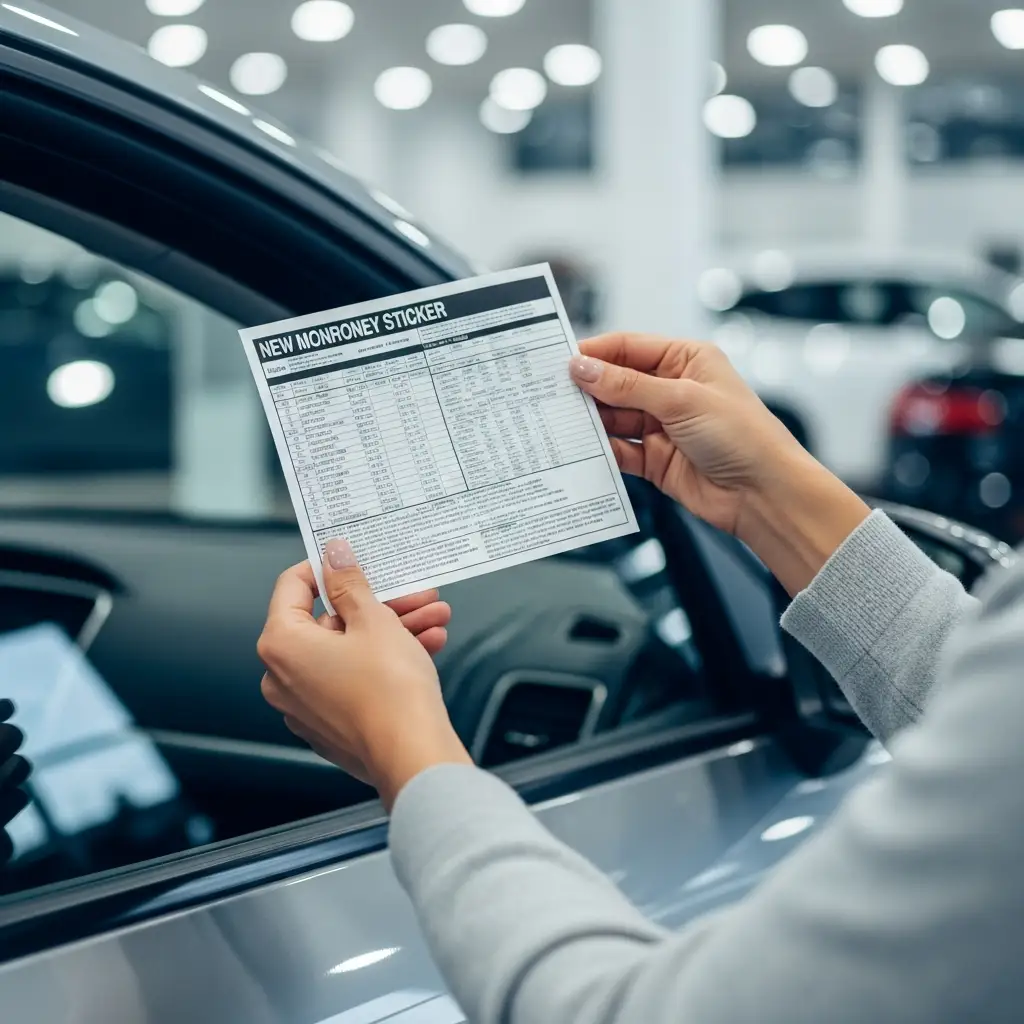
Purchasing a new car is a significant investment that requires careful research and understanding. One key element that can guide you during this process is the car window sticker, sometimes referred to as the Monroney sticker. This informative piece of paperwork is usually affixed to the window of a new car, offering a transparent view into the vehicle’s specifications, features, and pricing. Before stepping into a dealership, understanding how to read a car window sticker can significantly enhance your buying experience.
The first section of a car window sticker typically presents vital information about the car’s manufacturer. This space will tell you which company produced the vehicle, the specific model, and the model year. Such information is paramount as it sets the fundamental context for the car you are considering. Knowing the exact year and model equips you with a clear starting point as you compare various vehicles.
Next, you will find the section detailing the pricing of the car. This area includes the Manufacturer’s Suggested Retail Price (MSRP), commonly known as the sticker price. The MSRP is the suggested selling price, but it does not necessarily reflect what you will ultimately pay. Dealers might offer discounts or incentives, so having this baseline gives you an important negotiating point. Additionally, this section might include destination charges, which are fees for delivering the car from the manufacturer to the dealership. Understanding these charges helps in forming a complete picture when comparing the total asking price from different sellers.
One of the most critical aspects of a car window sticker is the list of standard equipment and options. This section dictates what comes with the car in its base model versus any additional add-ons or packages that increase its value and functionality. From engine specifications to interior features such as upholstery type or infotainment systems, this list helps you analyze if the vehicle meets your requirements. Furthermore, certain elements might be bundled into options packages, which could be more cost-effective compared to purchasing these features individually.
Fuel economy ratings are also prominently displayed. These ratings, presented in miles per gallon (MPG), provide an estimation of how efficient the car is in both city and highway driving conditions. Understanding these figures can significantly impact your long-term ownership costs, especially with fluctuating fuel prices. The Environmental Protection Agency (EPA) offers these estimates, allowing consumers to gauge a car’s performance against industry standards for fuel efficiency.
Emissions information might also be part of the fuel economy section or presented separately. This data is vital for buyers concerned about the environmental impact of their vehicles. The emissions information includes ratings that demonstrate how much pollution the car emits, also regulated by the EPA. With growing consciousness about environmental preservation, such information enables buyers to make more environmentally responsible decisions.
Safety information forms another essential component of a window sticker. This typically includes safety ratings from trusted organizations like the National Highway Traffic Safety Administration (NHTSA). These ratings offer insights into how well the vehicle performed under crash tests, providing a layer of consumer confidence in the car's capability to protect its occupants. Safety feature listings might also highlight innovations and technologies designed to enhance driver and passenger safety, such as lane departure warnings or automatic emergency braking systems.
Additionally, window stickers might contain manufacturer warranty details. This section explains what kind of coverage is offered with the car and the duration of that coverage. This might include bumper-to-bumper warranties, powertrain warranties, and additional options for extended warranties. Understanding these details is crucial for future planning, particularly in terms of potential repair costs or the level of service you can expect from the manufacturer.
Every car window sticker includes a Vehicle Identification Number (VIN), which acts as a unique identifier for the vehicle. The VIN is essential for multiple reasons, such as verifying the car's authenticity and checking its history through various databases. When purchasing a new car, ensuring the VIN on the sticker matches the one on the car is a necessary step in preventing any potential fraud or error.
For cars featuring advanced technologies, the sticker might detail connectivity options like Bluetooth capability, smartphone integration, and the vehicle’s infotainment system specifications. These details cater to buyers looking for convenience and enhanced driving experiences through technology. Understanding these features allows prospective buyers to weigh the car's suitability in meeting their daily technology needs.
Finally, the sticker may also indicate the assembly location, revealing where the car was built. This information might be significant for those who have preferences or ethical considerations regarding the production locations of vehicles. Regional variations in car feature availability, due to factors like different regulations or consumer demand, might also be influenced by the assembly location.
Familiarizing yourself with the components of a car window sticker empowers you with the knowledge needed to make an informed purchasing decision. It sets a baseline for comparison, whether you’re discussing prices with the dealership, evaluating additional features, or estimating running costs based on fuel efficiency. As you embark on your journey to buy a new car, equipped with this insight, you can confidently navigate the purchasing process and ensure that your choice aligns closely with both your aspirational and practical needs.