Dashcam technology has increasingly become a pivotal aspect of modern road safety systems. As we advance into 2026, the integration of Advanced Driver Assistance Systems (ADAS) with dashcam technology represents a significant technological leap aimed at enhancing driver safety, improving traffic management, and providing critical data insights. This article explores how these two technologies have converged and are redefining road safety protocols.
In 2026, dashcam technology has become far more sophisticated than its predecessors just a decade ago. Modern dashcams are not merely video recording devices. They now encompass a host of features that enhance the driving experience and augment safety. High-definition video quality is standard, allowing for clearer images that improve the ability to analyze traffic incidents. Moreover, these dashcams now often include wide-angle lenses and night vision capabilities, which provide comprehensive visual coverage and ensure clarity in varying light conditions.
One of the most significant advances in dashcam technology is the integration with ADAS. This integration enables features such as lane departure warnings, collision avoidance systems, and adaptive cruise control. The dashcam systems of 2026 are equipped with AI-driven software that can process real-time video data to alert drivers of potential hazards. For example, when linked to a vehicle's onboard diagnostics, these dashcams can assess the speed and trajectory of nearby vehicles and issue warnings to prevent collisions.
The incorporation of Vehicle-to-Everything (V2X) communication technologies in dashcams further enhances their utility. V2X allows for the exchange of information between a vehicle and various elements of the traffic environment, such as other vehicles, road infrastructure, and even pedestrians. By receiving and transmitting data, dashcams can alert drivers to sudden changes in traffic conditions, weather patterns, or road obstructions long before they are visible to the naked eye.
In terms of usability, modern dashcam systems are increasingly user-friendly and often leverage cloud storage for seamless data management. This cloud connectivity allows recorded footage to be uploaded and accessed remotely, which can be crucial for post-incident analysis by drivers, insurers, and law enforcement agencies. Cloud integration ensures the integrity and availability of data, which is vital for assessing liability and improving traffic management strategies.
Augmented Reality (AR) has also found a promising role in the realm of dashcam technology in 2026. Some advanced models now project essential navigational data directly onto the windshield, assisting drivers in maintaining focus on the road instead of consulting GPS devices or mobile apps. This integration minimizes distractions and enhances situational awareness, thus contributing to safer driving practices.
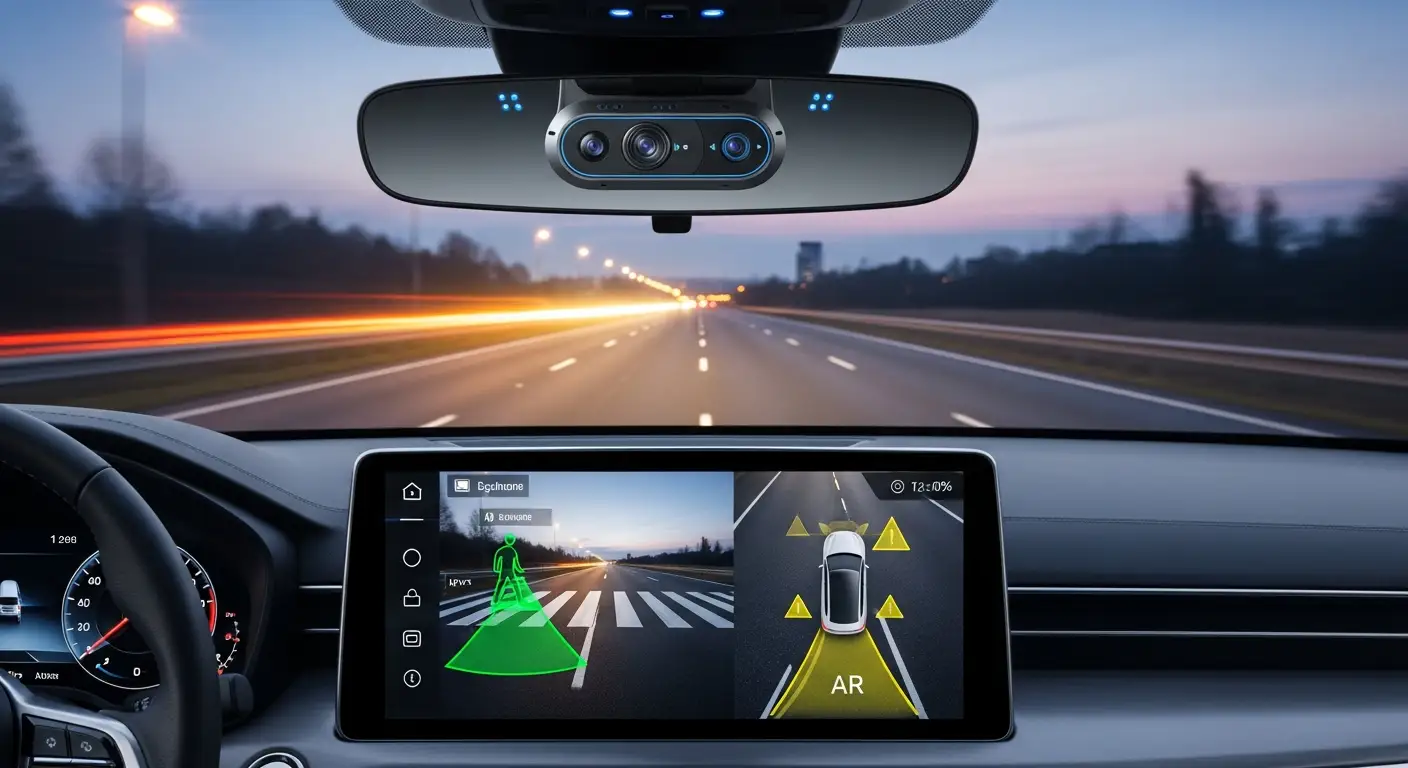
Moreover, dashcams are increasingly equipped with sensors capable of reading road signs, detecting pedestrians, and monitoring driver fatigue. These features are particularly beneficial in promoting safe driving habits and reducing the likelihood of accidents. By capturing and analyzing driver behavior, these systems encourage more responsible road use and can notify drivers when they exhibit signs of drowsiness or inattentiveness.
As dashcams become more advanced, privacy and data security are also critical considerations. Manufacturers in 2026 prioritize data encryption and comply with stringent privacy regulations to protect user information. The secure handling of data helps build consumer trust and encourages broader adoption of these technologies, benefiting overall road safety efforts.
The education and training required to operate these advanced dashcam systems are progressively being implemented in driver safety programs. As new drivers enter the roadways, they are increasingly required to understand and interact with the ADAS-equipped dashcams as part of their driving assessments. This knowledge ensures that drivers can exploit the full potential of their vehicle's safety systems.
Insurers are also recognizing the benefits of dashcam technology. Many offer incentives, such as reduced premiums, to drivers who utilize dashcams equipped with advanced features. By providing insight into driving behavior and accident conditions, dashcams are instrumental in accelerating the claims process and reducing instances of insurance fraud.
Looking to the future, dashcam technology, alongside ADAS, continues to evolve rapidly, promising considerable advancements in road safety. Innovations like real-time analytics powered by machine learning and enhanced connectivity promise even more integrative solutions. As these technologies continue to mature, they offer transformative potential not only in reducing accidents but in laying the groundwork for autonomous driving systems.
In conclusion, the dashcam technology of 2026 is an essential complement to ADAS features, heralding a new era of road safety. The integration of advanced sensors, cloud management, AI analytics, and V2X communication is transforming every aspect of driving, from enhanced situational awareness to post-incident analysis. As these technologies continue to evolve, they offer unprecedented opportunities to make roads safer for everyone, reshaping our interaction with vehicles and the environment around us.