In today’s technologically advanced era, vehicles have evolved from mere machines for transportation to sophisticated data-gathering devices. Cars manufactured in recent years are equipped with numerous sensors and computing power, making them integral parts of the broader data ecosystem. As a result, understanding how your vehicle shares mileage and driving history can empower you as a driver. This guide aims to provide insights into connected car data and offer practical advice on how you can manage and review your vehicle's data profile.
Modern vehicles are embedded with telematics systems that monitor a variety of metrics as you drive. These systems are equipped with global positioning system (GPS) technology, which continually records your car’s location. They track the speed, acceleration, weather conditions, and even road types that you typically travel on. Additionally, onboard diagnostics systems can monitor engine performance, fuel efficiency, battery life, and maintenance needs. This collection of data is crucial for not only understanding the vehicle's performance but also for manufacturers to improve their designs and for service providers to offer tailored services.
Connectivity is key to the modern driving experience. Many vehicles are now equipped with wireless connectivity features, which allow data to be sent back to manufacturers or third-party service providers. This data transfer is facilitated by what's known as the Internet of Things (IoT), a network that connects physical devices to the internet. IoT enables cars to communicate with external systems seamlessly, offering benefits like real-time traffic updates, automated emergency calls, and remote diagnostics. However, with these conveniences comes the responsibility to understand who can access this data and for what purposes.
Car manufacturers and service providers commonly use connected car data to enhance customer experience. For instance, navigation systems might use your location data to suggest the quickest routes based on real-time traffic. Insurance companies are increasingly using telematics to offer usage-based insurance (UBI), where your premium is adjusted based on your actual driving behavior rather than standard demographic factors. Fleet management companies also utilize this data to monitor and optimize the performance of their vehicles.
It is essential, however, to consider privacy aspects related to connected car data. While the benefits of linked systems are clear, there is also a need to be vigilant about how much data is being collected, who has access to it, and how it could potentially be used. Most automakers make it clear in their terms and conditions about their data collection practices. Reading through these documents can provide valuable insights into what aspects of your driving data are recorded and shared.
To maintain control of your vehicle’s data, consider the following simple steps to review and manage your data profile. First, know your car’s data policy. Understand what data the car collects, how it is used, and who it is shared with. Many manufacturers offer online portals where you can review and manage your data sharing preferences. Utilize these resources to opt out of data-sharing options that you are uncomfortable with wherever possible.
Second, keep your vehicle's software up to date. Vehicle manufacturers regularly release updates that often include enhanced features for data privacy and security. Keeping your software updated ensures that you have the latest protections.
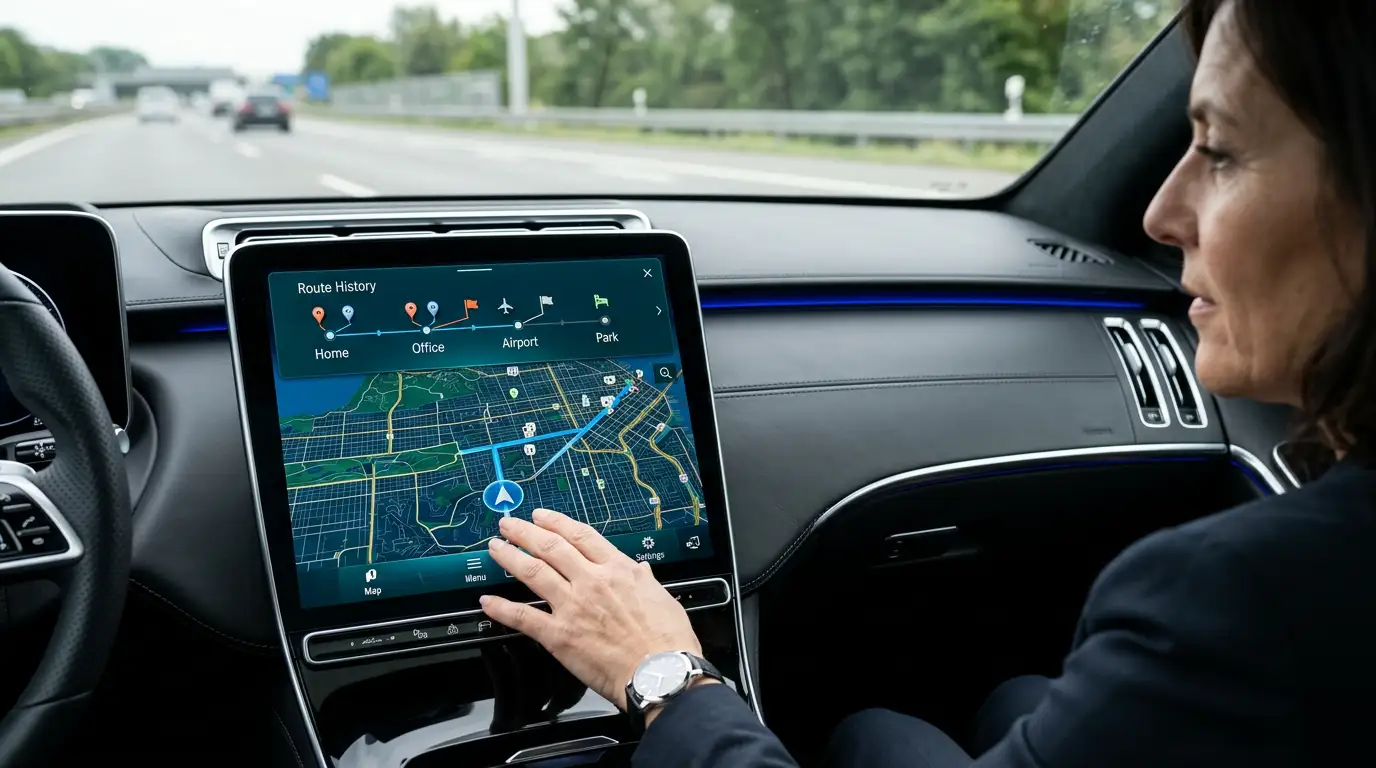
Additionally, take advantage of the privacy settings available in your car's infotainment system. These systems often have customizable settings that let you choose what services your data is enabled for. For example, you can turn off GPS tracking when you do not need navigation services.
It's also wise to learn more about third-party apps and services that may be linked to your car. Review the permissions you grant to these apps, and limit access to data that isn’t necessary for their core functions. Be wary of any application that asks for excessive permissions unrelated to their service offerings.
Lastly, if connected car data is a significant concern, there are always alternatives such as purchasing vehicles with minimal connectivity features or manually disabling certain functionalities. This might mean foregoing some conveniences, but it would give you more control over your data.
In summary, while the advent of connected cars offers unparalleled convenience and new opportunities, it also necessitates a mindful approach to data privacy. By becoming aware of the data your vehicle collects and taking proactive steps to manage your data profile, you can enjoy the benefits of modern automotive technology while safeguarding your personal information.