Imagine driving along a winding countryside road, the scenery a blur as you navigate around sharp curves and steep hills. While the picturesque view may be captivating, the unpredictability of the terrain is a harsh reminder of the discomfort that can accompany such journeys. Bumpy roads, potholes, and uneven surfaces are not just minor annoyances; they contribute significantly to physical driving fatigue and can lead to longer-term wear and tear on vehicles. However, advancements in automotive technology are driving a revolution in how cars handle road imperfections, allowing for a smoother, more comfortable ride. Enter the world of predictive smart suspension systems.
Predictive smart suspension systems represent a leap forward in automotive innovation, combining the latest in sensor technology with advanced computing capabilities. These systems are designed to read and evaluate the road ahead, processing information quickly to adjust a vehicle's suspension in real-time. Imagine a car that knows there's a pothole 50 meters up ahead, even before you see it. The system swiftly calculates the necessary adjustments to the suspension, allowing the car to glide over imperfections with ease. It’s like having a sixth sense—one that makes your driving experience far less jarring.
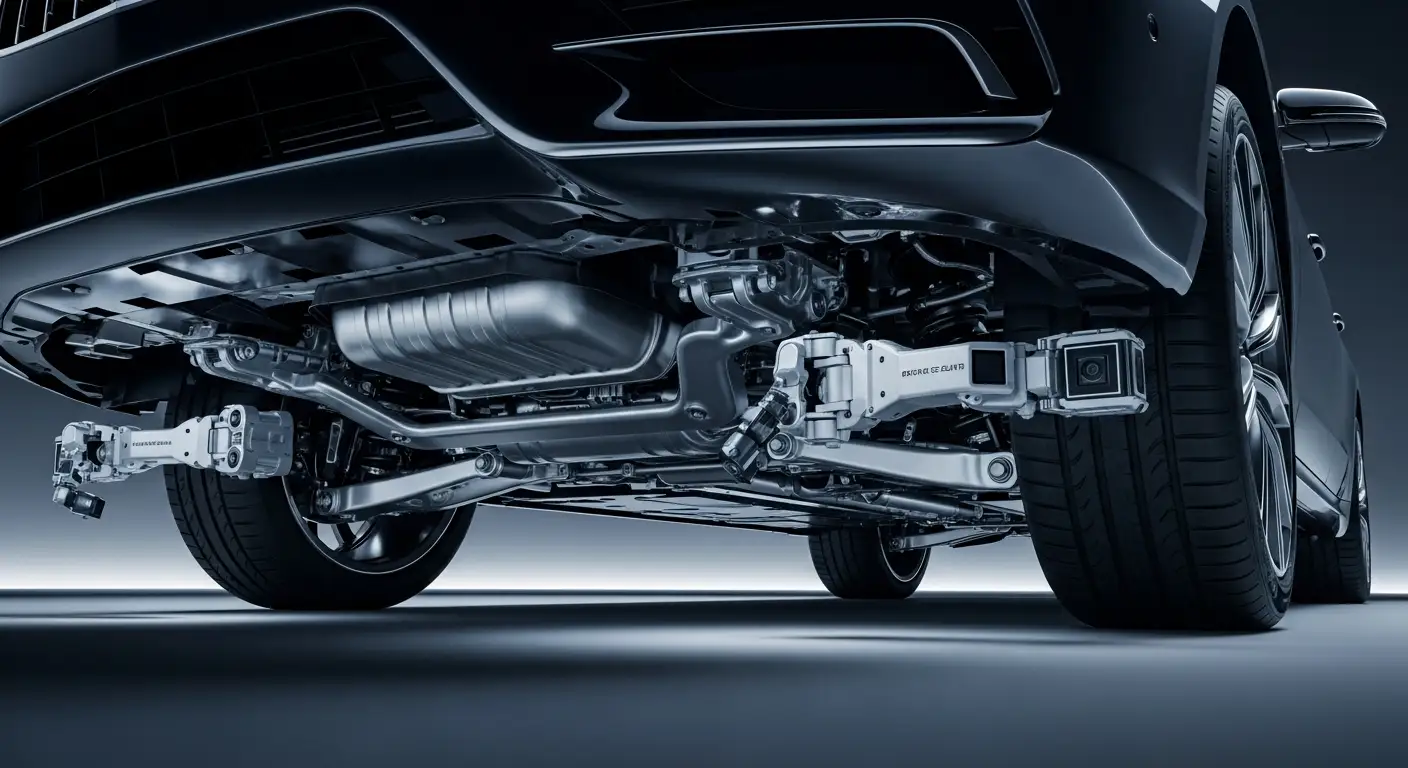
At the heart of this technology are an array of sensors and cameras strategically placed around the vehicle. These devices work tirelessly, constantly scanning the road surface ahead. Advanced algorithms in the car's computer control unit interpret the data from these sensors, detecting not only the presence of bumps or potholes but also their size and depth. This information feeds into a dynamic response system capable of making instantaneous adjustments. Critical to this process are actuators which modify the stiffness and damping of the suspension in real time, providing the perfect balance between firmness and flexibility.
One might wonder what benefits such a system can offer beyond comfort. The most immediate advantage is the reduction in physical fatigue for the driver. By maintaining a more stable ride, predictive smart suspension systems help minimize the constant micro-adjustments and muscle strain that drivers often experience on rough roads. Furthermore, passengers experience less swaying and jolting, making for a more pleasant and restful journey. Whether it’s a brief city commute or a lengthy road trip, the result is a drive that feels less taxing and more enjoyable.
This cutting-edge technology offers more than just personal comfort and convenience; it is also contributing to vehicle longevity. Traditionally, the constant impact from rough roads takes a toll on vehicle suspension systems over time. By reducing the severity of impacts, predictive suspension systems help prolong the life of a vehicle's suspension components. This not only leads to fewer maintenance issues but also translates into cost savings for the owner by reducing the frequency of repairs and part replacements.
The development of these systems involves complex engineering challenges, met with innovative solutions. One significant challenge is the need for extremely rapid processing and response times. The system must evaluate road conditions and adjust the suspension on-the-fly, often in a matter of milliseconds. This demands a high level of coordination between sensors, processing units, and actuators. Engineers have developed advanced algorithms capable of performing these tasks, utilizing machine learning to refine the system’s responses to various road conditions over time.
The rise of connectivity and digital ecosystems in cars further enhances the capabilities of predictive smart suspension systems. Vehicles equipped with advanced connectivity features can share road condition data with others in real-time, creating a networked solution to road hazards. Imagine a scenario where a vehicle encounters a sudden dip or bump; it can instantly transmit this information to nearby cars, prompting their systems to prepare accordingly. This networked approach has the potential to significantly improve overall road safety and reduce accidents caused by sudden obstructions or unforeseen road conditions.
While traditionally found in high-end luxury vehicles, the gradual reduction in production costs and technological advancements are making predictive smart suspension systems accessible to a broader range of consumers. As the market continues to embrace these innovations, it is likely that they will become standard features in more mainstream models, offering enhanced safety and comfort to a wider audience.
Moreover, integrating renewable energy solutions and sustainable materials into vehicle design are priorities for today’s automotive industry. Predictive smart suspension systems dovetail with these initiatives by improving overall vehicle efficiency. A smoother ride means less energy is wasted in counteracting the forces of a bumpy road, leading to potential improvements in fuel economy for internal combustion engines or increased range for electric vehicles.
Looking to the future, the evolution of predictive smart suspension technology is set to continue, driven by ongoing research and development in sensor accuracy, machine learning algorithms, and real-time data processing. The potential for integrating artificial intelligence that adapts to a driver's specific comfort preferences or road conditions is an exciting prospect. With this, cars of the future will not only adjust to current road conditions but will also anticipate the driver’s needs, pioneering a new era of autonomous interactions between vehicle and road.
In conclusion, predictive smart suspension systems signify a transformative development in automotive technology, redefining the driving experience by anticipating and adapting to road conditions instantaneously. This innovation promises a smoother, more comfortable journey, reduced physical fatigue, enhanced vehicle longevity, and a firmer step towards an interconnected and proactive road safety ecosystem. As these systems become commonplace, roadway travel for drivers and passengers alike will be more enjoyable and less cumbersome, marking yet another remarkable milestone in the evolution of automotive engineering.